

A smudged entry door, water-spotted conference room glass, or dusty exterior windows can change how an office feels before anyone says a word. Consistent window cleaning results for offices help create a brighter, more professional setting for employees, visitors, tenants, and clients. For Pittsburgh-area businesses, clean glass is not just a cosmetic detail. It is part of maintaining a property people feel confident entering.
Office windows take more wear than many property managers expect. Fingerprints collect around entrances, road dust settles on exterior glass, rain leaves mineral residue, and indoor HVAC systems can circulate fine dust onto interior panes. A professional cleaning plan addresses those everyday issues while helping glass, frames, and sills stay in better condition over time.
The best results are easy to recognize, even if they are not flashy. Glass should look clear from inside and outside, without streaks, drips, lint, or obvious missed edges. Window sills and frames should be free of loose dirt and cobwebs, especially at ground-level entrances and customer-facing areas.
Clean windows also change the quality of natural light. When dirt and film build up on glass, daylight can appear dull or hazy. Removing that buildup makes offices feel more open and cared for, which matters in reception areas, meeting rooms, storefront-style offices, and spaces where employees spend long hours each day.
There is a practical difference between a quick wipe-down and professional-quality work. A proper service accounts for the type of glass, the condition of the windows, building access, and the surrounding environment. For example, windows near a busy Western Pennsylvania roadway may need attention more often than windows on a sheltered office park campus.
Office window cleaning is not limited to the center of the pane. Detail work around edges, tracks, frames, ledges, and entry glass makes the finished service look complete. These areas can hold pollen, insects, grime, and moisture that affect the overall appearance of the window.
Professional cleaners also look for conditions worth bringing to a property manager’s attention, such as damaged screens, failed seals, stubborn hard-water stains, or construction residue. Cleaning cannot repair cloudy glass caused by a broken seal or remove every permanent stain, but identifying the issue early can help prevent confusion about what can be improved through cleaning alone.
A clean building sends a simple message: the property is managed with care. Clients may not comment on spotless windows, but they often notice when entry doors, lobby glass, or exterior windows look neglected. That first impression can influence how people view the business before a meeting begins.
For multi-tenant buildings, regular service can support tenant satisfaction as well. Clean common-area windows and entrances contribute to a professional atmosphere without asking each tenant to manage the work separately. It is a straightforward part of property upkeep that supports the larger appearance of the facility.
Employees benefit, too. Clear windows bring more usable daylight into workspaces and make views outside more pleasant. That will not solve every workplace concern, but it is one of the visible details that helps an office feel cleaner, more comfortable, and better maintained.
Regular cleaning can also make it easier to spot developing problems. Dirt can hide cracked panes, damaged seals, deteriorating caulk, and drainage issues around windows. When glass and frames are routinely cleaned, property teams have a clearer view of the condition of those surfaces.
This does not mean every office needs monthly service. The right interval depends on the building’s location, how much public traffic it receives, nearby trees or construction, and the standard the business wants to maintain. A medical office with constant patient traffic may prioritize pristine entry glass more often than a private office with limited visitors. Both can benefit from a consistent plan tailored to their needs.
Not every window starts in the same condition, and not every surface responds the same way. Setting clear expectations is part of dependable service. A qualified window cleaning team should assess access, glass condition, and the scope of work before recommending a schedule or providing an estimate.
Several factors have a direct effect on the final result:
Pittsburgh’s changing seasons add another consideration. Spring pollen, summer dust, fall leaves, and winter road treatment can all affect commercial glass. A cleaning schedule that works well in one season may need adjustment in another, particularly for entrances and windows facing high-traffic roads.
Professional office window cleaning begins before the first pane is cleaned. The work should be scheduled around your business operations, visitor traffic, tenant needs, and building access requirements. For some offices, early morning or lower-traffic hours make the most sense. For others, cleaning interior glass during normal business hours is perfectly manageable when the crew works carefully and communicates clearly.
The cleaning method should match the surface. Traditional professional tools are often effective for detailed interior glass and ground-level windows. Exterior work may require specialized equipment depending on height, access, and property layout. The important point is not the tool itself, but that the crew uses a safe, appropriate method that leaves the glass clean without creating disruption or risk.
A fully insured, licensed provider gives office managers added confidence, especially when work involves ladders, elevated windows, or busy commercial entrances. Background-checked employees and clear communication matter as well. You should know who will be on your property, when they will arrive, and what areas they will service.
A Clearvue approaches commercial window cleaning with that kind of local accountability. A clear scope, dependable scheduling, and a respectful crew help make routine property maintenance easier to manage.
A one-time cleaning can make a noticeable difference, particularly after winter or before an important event. Still, offices see the best long-term appearance from regular service. Consistent cleaning prevents heavy buildup from becoming the normal condition of the glass, which can make each visit more efficient and the property easier to maintain.
Many offices choose a recurring plan for exterior windows and more frequent attention for entry doors, lobby glass, or interior partitions. The right arrangement depends on the building. A professional cleaner should be willing to recommend a practical frequency rather than pushing a package that does not fit the property.
Price matters, but it should not be the only consideration. Commercial window cleaning involves access, safety, scheduling, and the way a service provider represents itself around your staff and visitors. The lowest quote may not include the detail work, insurance coverage, or reliability needed for a professional office setting.
Ask whether the company is licensed and insured, how it handles access and safety, what is included in the estimate, and whether it can work around office hours. It is also reasonable to ask how the provider handles weather delays, special requests, and touch-ups if an issue is noticed after service.
For property managers overseeing several locations, communication is especially valuable. A service partner who provides straightforward scheduling and clear expectations can reduce the time spent coordinating routine maintenance. That leaves you with one less detail to chase while maintaining the appearance of the property.
Clean office windows are a visible sign of care that clients, tenants, and employees experience every day. A free estimate and an honest discussion about your building’s needs are a practical first step toward keeping that impression clear.



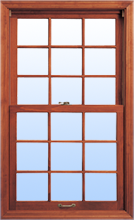
* Suspended Grids / False Grids – the grids are between your panes of glass.
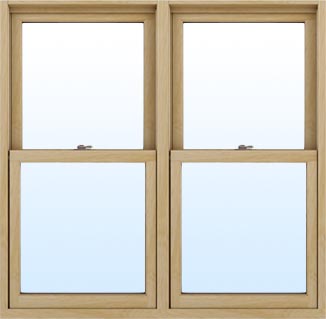
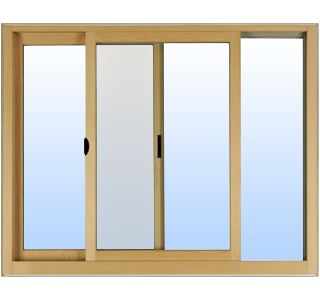
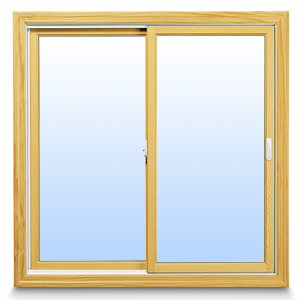

* Fixed / non-removable grids – These are windows with non-removable obstructions making the window look and feel like individual pieces of glass.