
Pittsburgh homeowners know windows take a beating. Pollen in spring, dust in summer, falling leaves in autumn, and winter grime can all leave glass looking dull long before you notice it from inside the house. This homeowner guide to seasonal window cleaning is built for local conditions, so you can keep your windows clearer, protect your home’s appearance, and make smarter decisions about when to handle cleaning yourself and when to bring in a professional.
Window cleaning is not just about appearance. Dirt, hard water residue, tree sap, and mineral buildup can sit on glass and frames for months if they are ignored. Over time, that buildup can make routine cleaning harder and can shorten the life of seals, screens, and surrounding materials.
Seasonal care also helps you catch small issues early. A cleaning visit often reveals clogged weep holes, cracked caulking, damaged screens, or early signs of frame wear. For homeowners who take pride in curb appeal, that makes window cleaning part of regular property maintenance, not just a cosmetic extra.
In Western Pennsylvania, the weather adds another factor. Temperature swings, moisture, and airborne debris mean your windows usually need a different level of attention from one season to the next. A once-a-year cleaning can help, but it may not be enough if your home sits near traffic, trees, active construction, or open fields.
Spring is the season most homeowners notice their windows again. After months of road salt spray, moisture, and gray winter residue, glass often looks hazy even on a bright day. This is usually the best time for a more complete cleaning because you are removing layers of buildup that collected over the colder months.
Start by checking the glass, frames, tracks, and screens together instead of treating the window as one surface. Winter grime tends to settle into corners and tracks, and screens often hold dust and pollen that can blow right back onto freshly cleaned glass. If you clean only the pane itself, the result usually does not last.
Spring is also a good time to inspect for damage. Look for loose seals, cracked panes, soft wood around frames, and screens that need repair. If your windows are difficult to reach or require ladder work, this is where safety should come first. A lot of spring cleaning plans sound manageable on paper until you are stretching over landscaping or working around wet surfaces.
Summer cleaning is often lighter, but it still matters. In this season, windows show dust, fingerprints, insect marks, and sprinkler spotting more than heavy grime. Homes with decks, patios, pools, or frequent outdoor activity usually need more touch-up cleaning because the windows are simply more visible and more exposed.
This is also the time of year when direct sunlight makes streaks stand out. The trade-off is that cleaning in the hottest part of the day can cause solutions to dry too quickly, which often creates the very streaking you are trying to avoid. Early morning or later afternoon usually works better for exterior glass.
If you have hard water issues from sprinklers or hose overspray, summer is the season to deal with them quickly. Fresh spotting is far easier to remove than mineral deposits that bake onto the glass over several weeks. In some cases, homeowners can handle light spots themselves. In other cases, aggressive scrubbing can do more harm than good, especially on specialty glass.
Fall window cleaning is easy to put off, but it can be one of the most useful cleanings of the year. Leaves, sap, dust, and moisture collect on windows and frames during autumn, and that buildup does not improve once temperatures drop. Cleaning before winter gives you better visibility through the darker months and reduces the chance that debris sits on surfaces all season.
This is also the practical season for cleaning gutters and checking drainage around the home. Overflowing gutters can contribute to splashback and staining near windows, especially on lower levels. If your home has a lot of tree cover, combining window cleaning with related exterior maintenance often makes more sense than treating each job separately.
Fall is a good time to make a realistic plan for winter. If there are second-story windows you know you will not safely reach once temperatures drop, handle them before the season changes. A professional visit in fall can set the house up well for the months ahead.
Winter window cleaning depends on weather, exposure, and expectations. Interior glass can still be cleaned as needed, especially when holiday traffic, pets, and condensation leave marks behind. Exterior cleaning is more conditional. If temperatures are mild and surfaces are safe, some exterior work can still be done. If conditions are icy, windy, or unpredictable, it is usually better to wait.
The biggest mistake in winter is forcing the issue. Homeowners sometimes try to squeeze in exterior cleaning during a brief warm spell without considering frozen ground, slick walkways, or cold-sensitive materials. Clean windows are not worth a ladder accident.
Winter is better used for observation than heavy exterior maintenance. If you notice recurring condensation, drafts near the frames, or cloudiness between panes, those are signs to address separately from cleaning. Not every visibility issue is caused by dirt.
It depends on the home. Many homeowners do well with a full professional cleaning twice a year, usually in spring and fall. That schedule fits Western Pennsylvania weather and keeps buildup manageable.
Some properties need more attention. Homes near busy roads, under heavy tree cover, or exposed to sprinkler spray may benefit from quarterly service. Others can stretch longer if the windows are less exposed and the homeowners stay on top of light interior touch-ups.
The best schedule is the one that keeps the job from becoming a major project every time. Once grime builds up past a certain point, cleaning takes longer, costs more, and delivers less satisfying results.
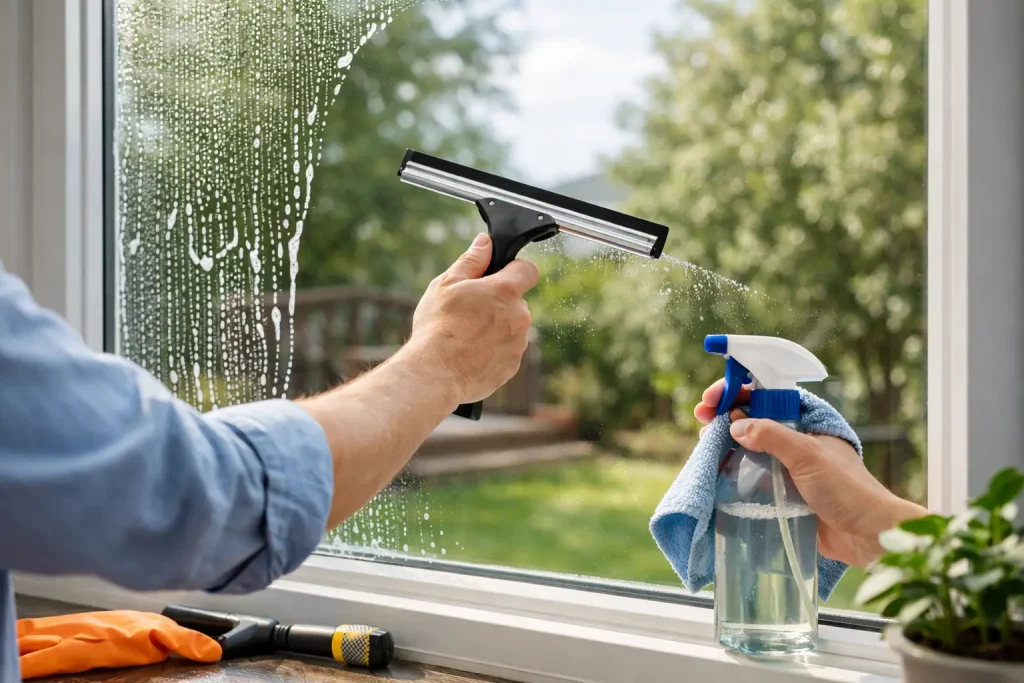
Some window cleaning can absolutely be handled by a homeowner. Interior glass, easily reached first-floor windows, and light seasonal touch-ups are often manageable with the right tools and enough time. If your goal is basic upkeep, a do-it-yourself approach can work.
Where homeowners run into trouble is height, access, and detail work. Multi-story homes, storm windows, difficult screens, skylights, and awkward exterior angles quickly turn a simple project into a safety risk. There is also a quality gap. Smears, missed edges, dirty tracks, and damaged screens are common when the work is rushed or done with the wrong equipment.
Professional service makes the most sense when safety is a concern, when presentation matters, or when you want the whole window system addressed instead of just the glass. That includes frames, sills, screens, and the hard-to-reach areas where dirt tends to collect. For homeowners who want dependable results without spending a weekend on ladders, hiring a fully insured team is often the more practical option.
Trust matters as much as price. A lower quote is not always better if the company is not insured, does not communicate clearly, or sends workers you are not comfortable having on your property. For residential service, professionalism shows up in small things – prompt scheduling, straightforward estimates, respectful crews, and work that leaves the area cleaner, not messier.
It also helps to choose a local company that understands the conditions in your area. Western Pennsylvania homes deal with a mix of moisture, pollen, debris, and seasonal temperature changes that affect how often windows need attention. A local provider can usually recommend a more realistic service schedule than a generic one-size-fits-all plan.
For homeowners in the Pittsburgh area, companies like A Clearvue focus on that kind of dependable, local service, with free estimates and insured crews that make scheduling easier and more reassuring.
A little maintenance goes a long way. Keep screens brushed off, wipe down interior glass before buildup hardens, and check that sprinklers are not hitting the windows. If you have windows under trees, clearing off leaves and debris after storms helps more than most homeowners expect.
It also helps to pay attention to the source of recurring mess. If one side of the house always looks worse, there is usually a reason – runoff, pollen, nearby traffic, or a drainage issue. Solving that pattern can extend the life of each cleaning.
Clean windows change how a home looks and how it feels from the inside. The best time to schedule service is usually before the glass gets bad enough that you stop noticing the view.



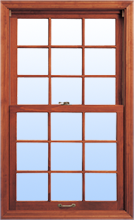
* Suspended Grids / False Grids – the grids are between your panes of glass.
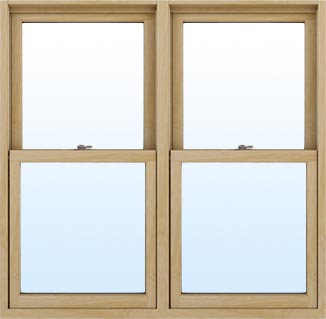
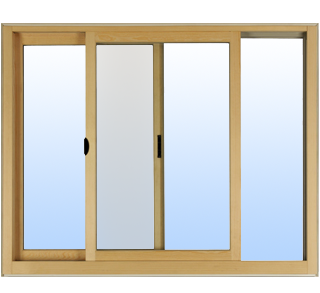


* Fixed / non-removable grids – These are windows with non-removable obstructions making the window look and feel like individual pieces of glass.