

If you are comparing licensed versus insured cleaners because you want someone trustworthy on your property, you are asking the right question. A low quote can look good at first, but when a crew is working around glass, ladders, landscaping, entry points, and expensive finishes, the real value is in protection, accountability, and professionalism.
For homeowners, property managers, and business owners in the Pittsburgh area, this is not just a technical detail. It affects who is allowed to operate, who is responsible if something goes wrong, and how seriously a company treats your property from the start.
People often use these terms together as if they mean the same thing. They do not.
A licensed cleaner is a company or contractor that has met local or state requirements to legally operate a business. The exact requirements can vary by municipality, county, and service type. In some areas, a business license is basic registration. In others, there may be added rules tied to specialty work, taxes, permits, or compliance.
An insured cleaner is a company that carries insurance coverage designed to protect the business, the customer, or both if there is property damage, an injury, or another covered loss. Insurance does not make a company skilled by itself, but it does show that the company is prepared to take responsibility in a professional way.
That is why licensed versus insured cleaners is not really an either-or question. The better question is whether the company is properly licensed and properly insured for the work it performs.
When someone is cleaning first-floor windows inside a home, the risk profile is different than when a crew is working on multi-story exterior glass, climbing ladders, clearing gutters, or servicing a storefront with customer traffic nearby. A professional company should be set up for the work it takes on.
Licensing matters because it speaks to legitimacy. It tells you the company is operating as a real business rather than picking up jobs casually without structure or accountability. That usually goes hand in hand with better scheduling, clearer estimates, documented services, and a more consistent customer experience.
Insurance matters because accidents can happen even with experienced crews. A ladder can shift. Equipment can mark a surface. Water can end up where it should not. If a worker is injured on your property or something is damaged during service, you do not want uncertainty about who is financially responsible.
For commercial properties, this matters even more. Property managers and facility decision-makers often need vendors who can show proof of insurance because there is greater exposure, more foot traffic, and more formal expectations around vendor compliance.
The most common starting point is general liability insurance. This can help cover accidental property damage or certain third-party claims. For a window cleaning company or exterior maintenance provider, that is a basic sign of professionalism.
Workers’ compensation is also important when a company has employees. If a technician gets hurt on the job, workers’ comp is designed to handle medical costs and related claims. Without it, the situation can become far more complicated for everyone involved.
Commercial auto coverage may matter too if the company uses service vehicles. Depending on the type of work, some businesses may carry additional coverage for equipment, bonding, or umbrella policies. The point is not that every customer needs to become an insurance expert. The point is that a serious company should be ready to explain its coverage clearly and provide proof when requested.
One reason customers get confused is that licensing rules are not always uniform. A cleaner may say, “We do not need a special cleaning license,” and that could be partly true depending on the municipality and service category. But that does not automatically mean the business has no licensing obligations at all.
A professional contractor should be able to explain how they are registered to operate, what business requirements apply in their area, and whether any local rules affect the work they perform. If the answer feels evasive or dismissive, that is worth noticing.
In local service industries, professionalism often shows up in how a company handles these basic questions. Clear answers usually signal a business that is organized, established, and used to serving customers responsibly.
At a home, trust matters as much as technical skill. You are allowing a crew onto your property, often around entrances, landscaping, decks, patios, and delicate glass. If the company is also offering gutter cleaning or light exterior maintenance, the risk increases because the work may involve rooflines, ladder movement, and more physical contact with the property.
A licensed and insured company gives you a stronger layer of confidence. It suggests the business is not just trying to get the job done, but trying to do it the right way. That includes showing up professionally, communicating clearly, and being prepared if the unexpected happens.
For many homeowners, the biggest benefit is peace of mind. You are not only buying cleaner windows. You are buying a lower-stress experience.
Commercial clients usually need more than a verbal promise. Offices, storefronts, and mixed-use properties have reputations to protect, schedules to manage, and sometimes building requirements that vendors must meet before work begins.
If you manage a property, an uninsured cleaner can create unnecessary exposure. Even if the price is lower, one incident can cost far more than the savings. A licensed and insured provider is more likely to have formal processes, documented proposals, and a crew that understands professional standards on active commercial sites.
That does not mean the largest company is always the best fit. Local companies can be highly professional and responsive, often with more personalized service. What matters is whether they combine that local accountability with the right business protections.
You do not need to turn a quote request into an interrogation, but a few direct questions can save you trouble later. Ask whether the company is licensed to operate in your area. Ask whether it carries general liability insurance and workers’ compensation. Ask whether the people coming to your property are employees or subcontractors.
It is also reasonable to ask for proof of insurance, especially for larger jobs or commercial work. A professional company should not be offended by that request. In fact, companies that take professionalism seriously expect these questions.
You can also pay attention to smaller signals. Are estimates clear? Is scheduling straightforward? Does the company explain the scope of work without vague promises? Do they present themselves like a real service business that plans to be here next season and the season after that?
The biggest red flag is a company that treats licensing or insurance like an unnecessary technicality. If the response is, “Nothing will happen,” that is not reassurance. That is avoidance.
Another warning sign is a quote that is much lower than everyone else with no clear reason. Sometimes there is a legitimate explanation, but sometimes the lower number reflects missing coverage, inexperienced labor, or shortcuts in how the company operates.
You should also be cautious if a provider cannot clearly identify who will be doing the work. Background-checked employees, uniformed crews, and direct accountability are meaningful trust signals, especially when people are working around your home or business.
Price matters. Everyone understands that. But cleaning services should be compared on more than the number at the bottom of the estimate.
A properly licensed and insured company has overhead that an informal operator may not. That can make the quote a little higher. What you are paying for, though, is structure, protection, professionalism, and a company that is more likely to stand behind its work.
That trade-off is usually worth it when the service involves exterior access, specialty equipment, or any chance of property damage or injury. On a simple job, the risk may feel small. But the consequences of getting it wrong can still be expensive.
For customers who want dependable service, the goal is not to find the cheapest cleaner. It is to find the most reliable value.
In Western Pennsylvania, where weather, terrain, and seasonal buildup can make exterior cleaning more demanding, hiring a company that takes licensing, insurance, and employee screening seriously is a practical decision. A Clearvue is built around that kind of professionalism because customers deserve more than a good-looking result. They deserve confidence before the work starts, while it is happening, and after the crew leaves your property.
When you ask whether a cleaner is licensed and insured, you are not being overly cautious. You are making sure the company you hire is prepared to treat your property, your time, and your trust with the level of care they should have brought from day one.




* Suspended Grids / False Grids – the grids are between your panes of glass.

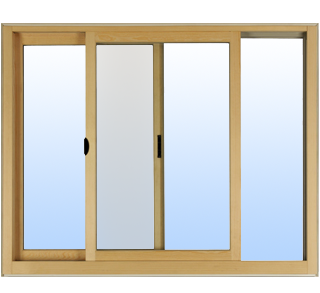


* Fixed / non-removable grids – These are windows with non-removable obstructions making the window look and feel like individual pieces of glass.