

A smudged storefront window, an overflowing gutter, or a missed exterior repair can become visible to customers and tenants long before it becomes a line item in a maintenance budget. That is why the choice between in house versus outsourced maintenance deserves more thought than simply comparing an hourly wage to a service quote.
For homeowners, property managers, and commercial decision-makers in Western Pennsylvania, the right approach depends on the work itself, the condition of the property, the level of risk involved, and how consistently the work needs to be completed. Some routine tasks belong with an internal team. Others are better handled by an insured professional who arrives with the right equipment, training, and accountability.
The first question is not, “Which option costs less?” It is, “What does this work require to be done safely and well?”
In-house maintenance often makes sense for simple, frequent tasks. A building engineer or facilities employee may be well positioned to replace light bulbs, handle small touch-ups, inspect common areas, respond to minor tenant requests, and keep an eye on developing issues. Their familiarity with the building can be a real advantage. They know the property’s layout, its recurring problems, and its daily schedule.
Outsourced maintenance is usually a stronger fit when a job requires specialized tools, work at height, defined safety procedures, or a polished result that represents the property. Exterior window cleaning, gutter cleaning, pressure-sensitive exterior work, and light repairs that require ladders are good examples. These tasks may look straightforward from the ground, but they involve risk, access planning, and standards that are difficult to maintain with occasional internal labor.
For a homeowner, the decision may be as simple as whether a job can be completed safely on a Saturday afternoon. For a commercial property, it also affects public appearance, tenant satisfaction, staff productivity, and liability exposure.
An internal employee’s hourly rate is only part of the cost of completing maintenance work. Payroll taxes, benefits, overtime, training, equipment, supplies, vehicle use, workers’ compensation, and management time all belong in the calculation. If a task takes an employee away from their primary responsibilities, there is an opportunity cost as well.
That does not mean outsourcing is automatically less expensive. A reliable in-house team can be cost-effective when there is enough steady work to keep them productive and when the tasks fall within their skills. Large facilities with constant maintenance needs may benefit from a blended approach: internal staff handles day-to-day needs, while qualified service providers manage specialized projects.
For smaller offices, retail locations, rental properties, and homes, outsourcing often provides a clearer cost structure. The customer receives a defined scope of work and does not need to purchase equipment or coordinate the job internally. A free estimate also makes it easier to compare the scope, frequency, and expected result before scheduling service.
The lowest price does not help if windows are left streaked, gutters are only partially cleared, or a worker cannot safely reach the upper portions of a building. Incomplete work often leads to another appointment, additional labor, or preventable property damage.
Exterior maintenance is especially sensitive to this issue. Clean windows improve the appearance of a home or business immediately, but poor cleaning can leave residue, missed edges, or dirty tracks. Gutters that are not fully cleared can allow water to back up near the roofline, creating problems that cost far more than routine service.
Safety is one of the clearest dividing lines between internal and outsourced work. A task that involves ladders, upper-story windows, slippery surfaces, heavy equipment, or work near public areas should be evaluated carefully. The question is not whether an employee is willing to do it. The question is whether they are trained, equipped, insured, and authorized to do it correctly.
In Pennsylvania, weather adds another layer of judgment. Rain, ice, wind, wet leaves, and uneven terrain can make exterior work more hazardous. Properties with older construction, steep grades, or difficult access points may require additional planning.
A professional service provider should carry appropriate insurance and use trained personnel who understand safe work practices. For property managers, this helps protect the building, the people performing the work, and the residents, visitors, or customers below. For homeowners, it brings peace of mind when work must be done around roofs, landscaping, decks, and delicate exterior finishes.
Outsourcing does not remove the need for oversight. It shifts the responsibility from supervising each task to selecting the right provider. Ask clear questions about insurance, scope, scheduling, access requirements, and how the company handles unexpected conditions. A dependable contractor should be comfortable answering them directly.
Some maintenance is largely behind the scenes. Other work is part of the property’s first impression every day. Windows, entryways, exterior walkways, gutters, and visible building surfaces tell customers and guests whether a property is cared for.
An in-house employee may be able to maintain an acceptable appearance, particularly on a small property with easy access. But professional cleaning crews bring a repeatable process, commercial-grade tools, and a focus on details that are easy to miss. That consistency matters for storefronts, offices, medical practices, multi-tenant buildings, and homes preparing for a gathering or sale.
Quality also depends on scheduling. An internal team may have the best intentions, but urgent repairs and daily operations can push cosmetic work down the list. Outsourced maintenance places the work on a defined schedule. That makes recurring services, such as seasonal gutter cleaning or regular window cleaning, less likely to be forgotten until the problem is obvious.
Whether maintenance is handled internally or by a contractor, vague expectations create frustration. Define what areas are included, how often work will be performed, what access is needed, and what happens if weather delays the job.
For window cleaning, that may include interior or exterior panes, screens, sills, tracks, and hard-to-reach glass. For gutters, clarify whether debris removal, downspout checks, and bagging or disposal are included. A written scope helps everyone evaluate the result fairly.
Many properties do not need to choose one method for everything. The most practical answer is often a hybrid plan.
Internal staff can handle daily inspections, small repairs, touch-up cleaning, and quick responses to tenant or homeowner concerns. A local professional can be scheduled for specialized exterior work, periodic deep cleaning, seasonal services, or jobs that require extra labor and equipment.
This approach gives property managers control without asking their staff to take on unnecessary risk. It gives homeowners a simple way to keep up with routine care while bringing in help for jobs that are difficult, time-consuming, or unsafe.
For example, an office manager may keep entry glass tidy between visits but schedule professional window cleaning to maintain a consistent appearance throughout the building. A homeowner may clear loose leaves from a porch while relying on a trained team for ladder-based gutter cleaning. Each side handles the work it is best suited to perform.
Before deciding, review the task through four practical lenses: frequency, risk, equipment, and visibility. If work is needed daily, low-risk, and simple, in-house maintenance may be the sensible choice. If it requires specialized equipment, creates a fall hazard, affects curb appeal, or only needs attention a few times a year, outsourcing is often the better value.
Also consider who will be responsible when a problem occurs. An internal team needs clear procedures, training, and supervision. An outside provider needs to be licensed where required, fully insured, responsive, and willing to stand behind the work. The right relationship should reduce your workload, not create more follow-up.
A Clearvue works with homeowners and commercial properties that want exterior cleaning and light maintenance handled with that level of care. Reliable scheduling, background-checked employees, and insured service can make routine property upkeep easier to manage without compromising on presentation or safety.
The best maintenance plan is the one that keeps small issues from becoming expensive distractions while letting your property look cared for every day.




* Suspended Grids / False Grids – the grids are between your panes of glass.

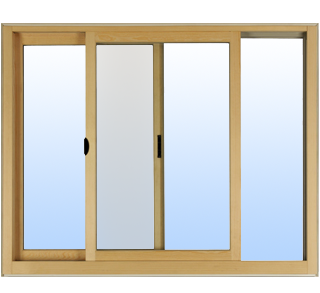


* Fixed / non-removable grids – These are windows with non-removable obstructions making the window look and feel like individual pieces of glass.