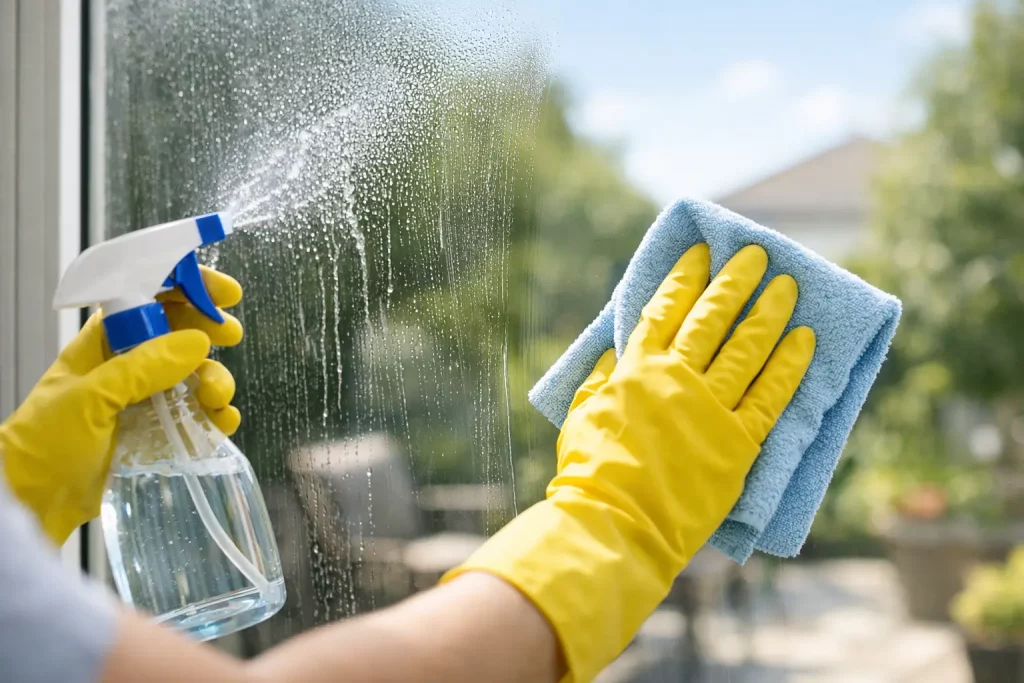
You can spend an hour cleaning glass and still end up with lines, haze, and spots that show up the second the sun hits the window. If you are wondering how to get streak free windows, the issue usually is not effort. It is a mix of timing, solution, tools, and technique.
For homeowners and property managers in Western Pennsylvania, that matters more than people think. Clean windows change how a home looks from the curb, how much natural light comes inside, and how professional a storefront or office appears. The good news is that streak-free results are possible. The catch is that a few common habits work against you.
The biggest mistake is cleaning windows in direct sun or on hot glass. When cleaning solution dries too quickly, it leaves behind residue before you can wipe it away properly. That is when you get the familiar film or streak pattern that looks worse from one angle than another.
A better approach is to clean on a cloudy day, in the early morning, or later in the afternoon when the glass is cool. Shade gives you more control. You can work the solution, remove dirt, and dry the surface before anything bakes onto the glass.
The next issue is product buildup. Many store-bought glass cleaners work fine for touch-ups, but using too much product can create its own streaking. If there is dust, pollen, grease, or hard water residue on the glass, a heavily sprayed cleaner often just spreads the mess around. Less product and better technique usually beat more chemical.
If your goal is clear glass, your tools matter as much as your cleaner. Paper towels are convenient, but they can leave lint and create uneven pressure. Old rags often carry fabric softener residue or trapped dirt. Both can make streaking worse.
A microfiber cloth is a much better choice for detailing and edges. For larger panes, a quality squeegee gives the cleanest finish because it removes water and solution instead of smearing them around. If you are cleaning exterior windows, a soft scrubber or applicator sleeve also helps loosen grime before you pull a squeegee across the glass.
You do not need a truck full of equipment, but a few basics make a real difference. A bucket, mild cleaning solution, microfiber cloths, and a sharp squeegee blade will handle most residential and light commercial glass. If the rubber blade is nicked or worn, replace it. A damaged blade leaves lines no matter how careful you are.
People often assume stronger cleaner means better results. For windows, that is not always true. A simple mix of water and a small amount of dish soap works well for routine cleaning. It cuts normal dirt without leaving as much residue as some heavier products.
If you are dealing with fingerprints or oily film on interior glass, you may need a little more attention, but even then, overdoing the solution can backfire. The goal is to lift and remove dirt, not soak the pane. Too much soap means more drying time and more chance of streaks.
Distilled water can also help if your tap water is hard. In some areas, mineral content in the water contributes to spotting, especially on larger windows or glass that dries slowly. If you notice a chalky film after cleaning, the water itself may be part of the problem.
This is where most results are won or lost. Start by removing loose dust, cobwebs, and debris from the frame and sill. If you skip that step, dirt can wash back onto the glass while you clean.
Apply your solution lightly and evenly. If you are using a cloth, work from top to bottom so any drips move downward into areas you have not finished yet. If you are using a squeegee, wet the glass first, then pull the blade across in smooth, overlapping passes. Wipe the blade after each pass with a clean cloth. That small step keeps dirty water from being dragged back onto the glass.
Edges matter more than people expect. Even when the center of the pane looks clean, leftover moisture around the perimeter can creep back in and leave lines. Finish by detailing the edges and corners with a dry microfiber cloth.
There is also a practical difference between interior and exterior cleaning. Interior glass usually carries fingerprints, pet nose marks, and normal household film. Exterior glass picks up pollen, dust, rain residue, and environmental buildup. Outside windows often need a more thorough first pass before they are ready for final detailing.
If you have followed the usual advice and still get poor results, the cause may not be your method alone. Sometimes the problem is residue that has built up over time. Smoke film, cooking grease, tree sap mist, and hard water deposits can all resist basic cleaning.
In those cases, standard glass cleaner may improve the look without fully solving it. The glass can appear clean at first, then show haze once it dries. That is a sign the surface needs more than a quick wipe-down.
Screens can also create confusion. Dirty screens throw dust back onto clean glass, especially when windows are opened or when wind picks up. If you clean the window but ignore the screen and surrounding frame, the results rarely stay sharp for long.
For commercial properties, traffic and exposure make this even more noticeable. Storefront glass collects handprints, street grime, and weather residue fast. A one-time cleaning helps, but windows in busy areas often need a regular schedule to stay consistently clear.
Large panes and second-story windows are where DIY cleaning becomes less straightforward. The same basic rules apply, but reach, safety, and consistency become bigger concerns. Cleaning tall windows from a ladder while trying to hold solution, cloths, and a squeegee is where many property owners decide it is not worth the risk.
That is a smart decision. Streak-free glass is important, but not at the expense of safety. Multi-story homes, commercial storefronts, office fronts, and awkward architectural windows often need professional equipment and experience to be cleaned properly.
There is also the issue of pace. On bigger windows, solution dries quickly if you do not move efficiently. That can leave stop marks and lap lines. Professionals avoid that by working with the right tools, the right amount of solution, and a consistent process from pane to pane.
Some customers enjoy handling their own interior glass. That is reasonable for touch-ups and smaller jobs. But if your home has many windows, divided panes, storm windows, or difficult exterior access, hiring a professional usually saves time and delivers better results.
For commercial properties, it is often less about preference and more about presentation. Clean windows affect first impressions. They tell customers, tenants, and visitors that the property is cared for. They also reduce the burden on staff who have other priorities.
A professional service also brings peace of mind when the company is insured, licensed, and staffed by people you can trust on your property. That matters for homeowners and even more for businesses managing safety and liability concerns. In the Pittsburgh area, A Clearvue focuses on exactly that kind of dependable service – straightforward scheduling, professional standards, and clean results that hold up.
Once the glass is clean, maintenance gets easier. Keeping screens clean, wiping up interior fingerprints quickly, and paying attention to nearby sprinkler overspray or gutter runoff can help preserve the finish. Exterior windows that constantly catch dirty runoff from clogged gutters or roofing debris will not stay clear for long, no matter how well they are cleaned.
That is why window appearance is often tied to broader property maintenance. Frames, sills, screens, and drainage all play a part. If one part of the system is neglected, the glass usually shows it first.
If you want streak-free windows, think beyond the spray bottle. Use simple tools, work on cool glass, avoid too much cleaner, and dry the edges carefully. And when the job is bigger, higher, or more time-consuming than it should be, getting experienced help is often the most practical way to keep your property looking its best.



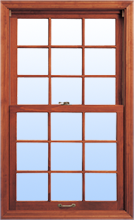
* Suspended Grids / False Grids – the grids are between your panes of glass.
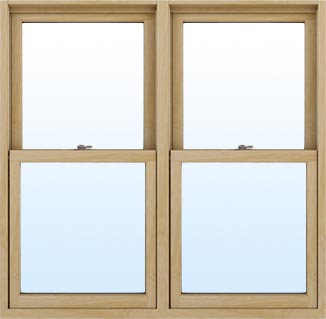
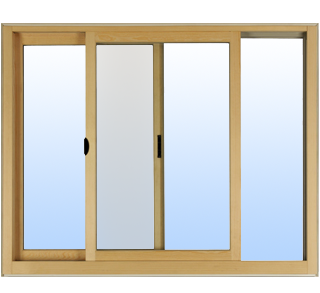

* Fixed / non-removable grids – These are windows with non-removable obstructions making the window look and feel like individual pieces of glass.