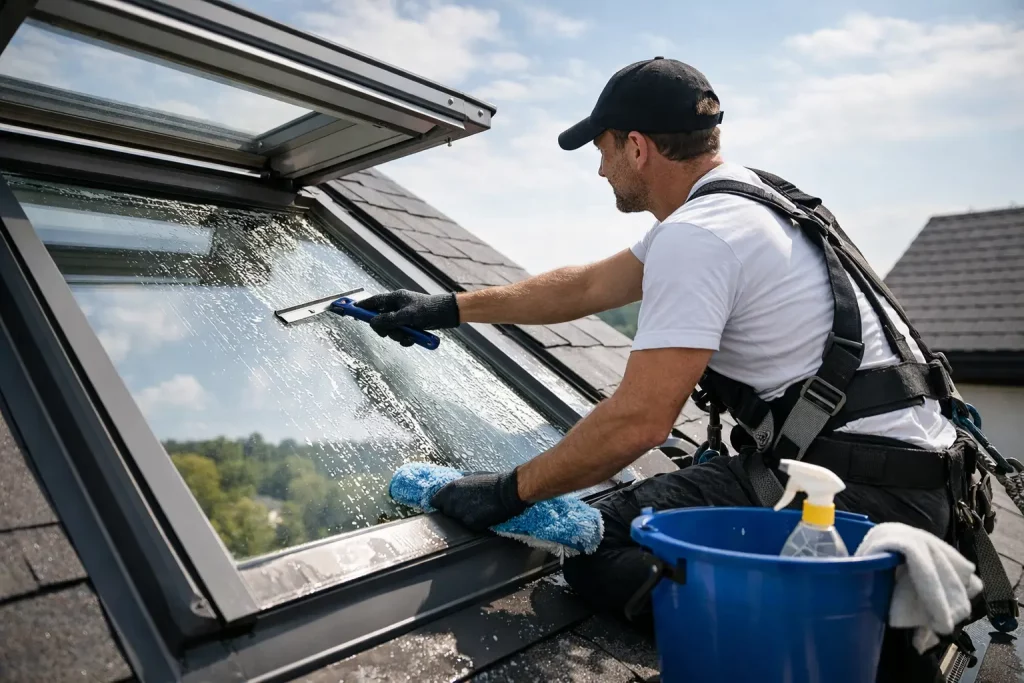
Skylights can brighten a room instantly, but they also collect dust, pollen, water spots, and grime in places that are not easy to reach. If you are wondering how to clean skylight windows safely, the first thing to know is that the cleaning itself is usually the easy part. Getting to the glass without risking a fall, damaging the roof, or leaving streaks behind is where most problems start.
For many homeowners in the Pittsburgh area, skylights are installed above stairwells, vaulted ceilings, bathrooms, and sunrooms. Those locations make them useful, but they also make them awkward to maintain. A safe approach starts with deciding whether the window can be cleaned from inside, whether roof access is truly necessary, and whether the job belongs in professional hands.
Before you bring out a ladder or spray bottle, take a close look at the skylight from the ground or floor below. Some skylights tilt inward or have interior access panels that allow cleaning from inside the home. Others are fixed in place and may only be fully reachable from the roof.
That difference matters. Cleaning a skylight from inside the house is typically much lower risk, especially if you can work from a stable step ladder on a flat floor. If the skylight sits high above a staircase, over an open foyer, or on a steep roofline, the job changes from basic cleaning to elevated exterior maintenance. At that point, safety becomes the main concern.
If you are not fully confident in your footing, ladder setup, or roof conditions, stopping early is the smart decision. A dirty skylight is an inconvenience. A fall is a serious emergency.
You do not need a long list of specialty products to clean a skylight well. In most cases, a few basic tools work best. A soft microfiber cloth, a non-abrasive sponge, a small bucket of warm water, and a mild dish soap solution are usually enough for interior glass. For drying, a squeegee with a clean rubber blade helps prevent streaks.
If you are cleaning from inside and the skylight is just out of reach, an extension pole with a soft washer head can help you stay on the floor or on a lower ladder rung. That is often safer than overreaching. Avoid anything abrasive, including rough scrub pads or harsh chemical cleaners, because they can scratch glass, damage tinted coatings, or wear down seals around the frame.
For exterior buildup like pollen, tree sap mist, or light debris, plain water and a gentle cleaning solution are usually the right place to start. Pressure washers are not a good fit for skylights. They can force water under flashing or into seals, which can create leaks and hidden damage.
If your skylight can be reached safely from indoors, start by protecting the area below with towels or a drop cloth. Remove loose dust and cobwebs first with a dry microfiber cloth or a duster on an extension pole. Doing this before using water helps prevent muddy smears on the glass.
Next, apply a small amount of cleaning solution to the cloth or sponge rather than spraying directly onto the skylight. That gives you better control and reduces drips on drywall, trim, or flooring. Wipe gently in overlapping strokes, focusing on corners where dust tends to build up.
Once the grime is loosened, use a damp clean cloth to remove any soap residue. Finish with a dry microfiber cloth or a squeegee. If the skylight is in direct sun, work a little faster than you would on a regular window because heat can dry the solution before you remove it, leaving spots behind.
The biggest risk indoors is usually not the glass. It is ladder use. Set the ladder on a level surface, keep three points of contact when climbing, and never lean sideways to reach the edge of the skylight. Moving the ladder takes longer, but it is far safer than stretching beyond your center of balance.
People often assume that cleaning the outside of a skylight is just like cleaning any other window. It is not. Roof slope, surface material, weather conditions, and the location of the skylight all change the risk level.
If the roof is steep, wet, shaded, mossy, or covered with loose debris, do not attempt to walk on it. Even a low-pitch roof can become slippery with morning dew or light rainfall. In Western Pennsylvania, changing weather and seasonal moisture can make roof conditions unpredictable, especially in spring and fall.
If exterior cleaning is absolutely necessary and the roof is safely walkable, the ladder should be set on firm ground and positioned correctly at the eave. Shoes should have strong traction, and the work should only be done in dry, calm conditions with good visibility. You should also know where the skylight flashing is located so you do not put pressure on vulnerable edges.
The glass itself should be cleaned gently. Rinse away loose grit first if possible. Then use a soft applicator with mild soap and water, followed by a careful rinse and drying pass. Standing or kneeling directly against the skylight is never safe. Skylights are not designed to support body weight, and a misstep can be catastrophic.
One of the most common mistakes is trying to make the job quicker by using whatever cleaner is already under the sink. Ammonia-based or highly acidic cleaners can damage certain skylight finishes, especially on older units or specialty glass. Another mistake is scraping stuck-on debris with a razor blade or metal edge. That can leave permanent scratches.
Overreaching from a ladder is another major issue. People often get through most of the job safely, then try to clean one last corner without repositioning. That is when balance is lost.
There is also the issue of hidden roof wear. A homeowner may not realize shingles are loose, flashing is lifting, or the roof surface has become slick with algae. Cleaning can expose those weaknesses at exactly the wrong moment. In some cases, what looks like dirt around a skylight is actually early staining from a leak, and aggressive washing will not fix the real problem.
Knowing when not to do it yourself is part of learning how to clean skylight windows safely. If the skylight requires roof access, sits above a stairwell, is unusually large, or shows signs of seal failure, hiring a professional is often the better value.
A professional window cleaning company can assess whether the skylight can be cleaned from inside, from a ladder, or with specialized extension tools. More importantly, an insured team understands how to work around height risks and how to avoid damage to glass, frames, and surrounding roofing materials.
This is especially relevant for multi-story homes, commercial buildings, and properties with hard-to-reach rooflines. Property managers and business owners usually have more to consider than appearance alone. Liability, worker safety, and maintaining the building envelope all matter. In those cases, routine professional service is often more practical than treating skylight cleaning as a one-off chore.
For homeowners who want clean glass without the uncertainty of roof work, companies like A Clearvue provide the kind of local, insured service that takes the risk off your plate. That peace of mind matters just as much as the final result.
It depends on the location of the skylight and what surrounds the property. Homes near trees, busy roads, or construction zones usually see buildup faster. Bathroom skylights may need more frequent interior cleaning because of moisture and residue. Commercial properties often need a tighter schedule simply because appearance is part of how the building is judged.
For many homes, checking skylights seasonally is a practical routine. If the glass still looks clear and there is no visible film or spotting, a full cleaning may not be necessary yet. If you notice reduced light, water marks, pollen buildup, or interior condensation stains, it is time to take a closer look.
A good rule is simple: clean on a schedule that keeps buildup manageable. Letting grime sit too long can make cleaning harder and can sometimes hide early signs of wear around the skylight frame.
Clean skylights make a real difference in how a room looks and feels, but no view is worth taking chances on a roof or an unstable ladder. If the job is easy to reach and low risk, a careful approach can work well. If access is difficult or conditions are less than ideal, the safest move is also the smartest one – let a qualified professional handle it.



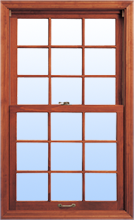
* Suspended Grids / False Grids – the grids are between your panes of glass.
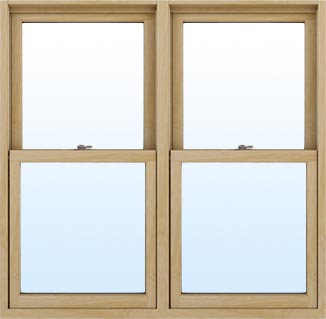
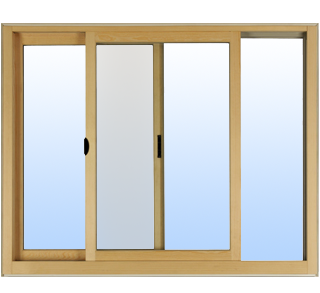


* Fixed / non-removable grids – These are windows with non-removable obstructions making the window look and feel like individual pieces of glass.