

Tenants notice the details before they mention them. A streaked entry window, overflowing gutters, dirty walkways, or a lobby that looks neglected can quietly shape how they feel about the property every day. That is why a strong property manager guide to building appearance is not about vanity. It is about protecting value, supporting tenant retention, and showing that the property is being managed with care.
For property managers in Pittsburgh and across Western Pennsylvania, appearance also has to hold up against real weather. Rain, road salt, wind, falling leaves, and winter grime can make a well-kept building look tired faster than expected. The right approach is not chasing perfection. It is creating a practical system that keeps the property clean, safe, and presentable year-round.
A building does not need to be luxury class to look well managed. It needs consistency. When common areas, windows, entrances, and exterior surfaces are regularly maintained, the property sends a clear message to tenants, prospects, vendors, and owners that standards are being upheld.
That affects more than first impressions. Building appearance can influence leasing activity, tenant satisfaction, online reviews, and even how quickly maintenance concerns get reported. People are more likely to believe management is responsive when the visible basics are handled well. On the other hand, when the property looks overlooked, tenants often assume other issues are being overlooked too.
Appearance also intersects with risk. Debris-filled gutters can lead to drainage problems. Dirty glass can make retail or office spaces feel dim and neglected. Slippery entry areas, stained concrete, and poor visibility at entrances can all create avoidable concerns. Good presentation and good operations are often tied together.
The biggest mistake many properties make is treating appearance as an occasional cleanup project instead of an operating routine. A better system starts with visibility. If you are not walking the property with a consistent checklist and schedule, issues stay small until tenants point them out or ownership asks why the place looks worn down.
Start with the areas people see first and most often. That usually means main entrances, glass doors, front-facing windows, sidewalks, parking lot approaches, lobbies, and shared hallways. Then move to the areas that are less visible but still affect appearance and performance, such as gutters, downspouts, exterior trim, service areas, and upper-level windows.
This is where routine matters. Monthly reviews may be enough for some properties, while high-traffic commercial sites may need weekly checks. It depends on the tenant mix, the age of the building, local tree coverage, and how exposed the property is to traffic and weather.
Not every maintenance task carries the same visual weight. Clean windows, tidy entrances, and debris-free walkways tend to change how a property feels almost immediately. So do neat landscaping edges, clean signage, and lighting that works.
If budget is tight, begin with the most visible pain points rather than spreading resources too thin. A building with older finishes can still present well if the glass is clean, the entry is sharp, and the property feels attended to. A newer building can look poorly managed in a hurry if those basics slip.
Western Pennsylvania weather is hard on exteriors, which makes seasonal planning essential. Spring often reveals what winter left behind – salt residue, window film, clogged gutters, and dirt buildup around entrances. Summer tends to highlight glass clarity, curb appeal, and outdoor common area appearance. Fall brings leaves, drainage concerns, and another cycle of gutter attention. Winter puts pressure on entries, visibility, and how quickly grime accumulates on lower-level windows and doors.
A good property manager guide to building appearance should account for those shifts in advance. Instead of waiting for a problem to become obvious, map out the services that make sense by season. Window cleaning, gutter cleaning, entry touch-ups, and light exterior maintenance work best when they are planned before conditions get worse.
This does not mean every property needs the same frequency. A small office building with limited foot traffic may need a different schedule than a busy mixed-use property or a retail center with large storefront windows. The right plan depends on how the property is used and what tenants expect from the space.
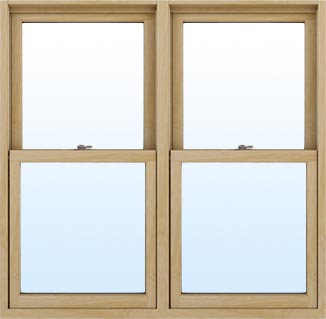
For many commercial and mixed-use buildings, windows are one of the most visible indicators of whether the property is being maintained well. Clean glass improves natural light, presents better to prospective tenants and visitors, and makes the entire building feel more professional.
This matters especially at entrances and customer-facing storefronts. Dirty windows can make even a good tenant space feel less active and less cared for. In office settings, they can subtly affect the work environment by making interiors feel dull. For apartment and multi-tenant common areas, they influence how the property photographs and how residents describe the building.
Professional window cleaning also helps property managers avoid the patchy results and safety concerns that come with informal in-house attempts. Multi-story glass, hard-to-reach areas, and recurring service schedules are usually better handled by an insured, trained provider.
Gutters are easy to ignore because they are above eye level, but when they fail, the visual signs show up quickly. Overflow streaks on siding, standing water near foundations, and debris around the perimeter make a property look neglected. Over time, drainage issues can also create more expensive maintenance problems.
For properties with heavy tree coverage, seasonal gutter cleaning is often part of maintaining appearance, not separate from it. Clean lines at the roof edge and controlled runoff help the whole exterior look more orderly. More importantly, they support the building envelope and reduce the chance of water-related damage that turns into a larger management issue later.
Most property managers are balancing owner expectations, tenant needs, and real budget limits. The answer is not trying to make every property look perfect at all times. It is setting a clear baseline for what clean, safe, and well-presented should mean on that site.
That baseline should include the areas that shape daily perception, the tasks that prevent visible decline, and the services that become more expensive when delayed. In practice, that might mean keeping windows on a regular schedule, handling gutters before seasonal overflow starts, and addressing entry appearance before complaints come in.
It also helps to group services where possible. Properties often save time and reduce scheduling headaches when exterior upkeep is coordinated through one trusted local provider rather than pieced together across multiple vendors with different timelines and standards.
A clean building is only part of the equation. The people doing the work also reflect on property management. If technicians show up late, communicate poorly, or create safety concerns on site, the appearance gains can be offset by operational headaches.
That is why trust signals matter. Licensed and insured service providers, background-checked employees, clear scheduling, and straightforward estimates are not small details. They reduce risk and make it easier to keep recurring work on track. For occupied properties, especially those with professional tenants or steady visitor traffic, reliability matters as much as the cleaning itself.
A local company can also offer an advantage. Teams that regularly work in the Pittsburgh area understand the weather patterns, seasonal buildup, and practical service timing that fit Western Pennsylvania properties. That kind of familiarity often leads to better recommendations and fewer missed maintenance windows.
Building appearance is rarely the result of one major cleanup. More often, it comes from steady attention to the basics. Clean windows, maintained gutters, presentable entries, and visible follow-through send the message that the property is cared for and professionally managed.
For property managers, that consistency pays off in quieter ways. Tenants complain less about presentation. Prospects walk in with a better first impression. Owners see a property that looks protected rather than patched together. And the work becomes easier to manage because upkeep is scheduled instead of rushed.
If you are reviewing your exterior maintenance plan, start with what people see first and what weather wears down fastest. From there, build a schedule that fits the property, the season, and the standard you want tenants to notice. A well-kept building does not happen by accident. It shows up when the basics are handled on purpose.



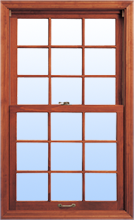
* Suspended Grids / False Grids – the grids are between your panes of glass.

* Fixed / non-removable grids – These are windows with non-removable obstructions making the window look and feel like individual pieces of glass.