

A window cleaning estimate can feel hard to predict until you look at what is actually being cleaned. When homeowners and property managers ask how to budget for window washing, the best starting point is not a single price. It is a clear picture of the property, the service level needed, and how often the windows should be maintained.
For a home, clean windows protect curb appeal and make rooms feel brighter. For an office, storefront, or managed property, they help create the polished first impression tenants, customers, and visitors expect. Building window washing into your maintenance budget helps you avoid rushed decisions when the glass is visibly dirty or a special event is approaching.
Window washing costs are based on the work involved, not simply the square footage of a building. Two similarly sized homes can require very different levels of service. A one-story ranch with accessible windows generally takes less time than a multistory home with divided panes, skylights, storm windows, or difficult landscaping around the exterior.
Start your budget by identifying the number and type of windows you want cleaned. Consider whether you need exterior glass only or cleaning on both sides. Interior cleaning, screens, tracks, sills, and window frames may be part of a more complete service package, but they add labor and should be accounted for in the estimate.
For commercial properties, look beyond the main entrance. Street-facing glass may be the priority for a retail location, while an office building may need interior partitions, lobby windows, conference room glass, and multiple sides of the building included. A detailed scope makes it easier to compare estimates fairly and prevents surprise add-ons later.
Professional window cleaning is not a one-size-fits-all service. Several practical factors affect the time, equipment, and safety planning required for a job.
The height and accessibility of the windows are often significant. Ground-level windows with clear access are more straightforward than windows above sloped ground, landscaping, decks, or roofs. Upper-story windows may require ladders, specialized tools, or additional safety measures. Properties with hard-to-reach glass should be described accurately when requesting a quote.
The condition of the windows matters as well. Routine cleaning is generally more efficient than cleaning glass that has gone several seasons without attention. Mineral buildup, paint overspray, construction debris, adhesive residue, and heavy pollen may require extra work. In Western Pennsylvania, spring pollen, road salt, rain spotting, and fall debris can all affect how quickly windows lose their clean appearance.
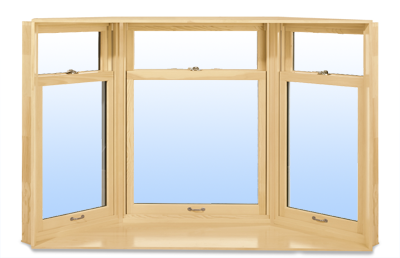
Window style is another consideration. Large picture windows can be relatively efficient to clean, while French panes, divided-light windows, storm windows, and specialty shapes take more detailed work. Screens, tracks, and sills also need attention if you want a finished, well-maintained look rather than clean glass alone.
A realistic budget depends on the service schedule. Many homeowners choose professional window washing once or twice per year. A spring cleaning can clear winter grime and help the home look its best heading into warmer weather. A second visit in fall can remove pollen, dust, and seasonal buildup before the holidays or winter months.
That schedule is not necessary for every household. If your home is set back from the road, has fewer windows, or does not collect much debris, an annual service may be enough. Homes near construction activity, busy roads, trees, or water may benefit from more frequent cleaning.
Commercial properties usually need a more regular schedule because appearance is part of daily business. A customer-facing storefront may need exterior glass cleaned monthly, biweekly, or even more frequently depending on traffic, weather exposure, and the nature of the business. An office building may work well with quarterly exterior service and periodic interior cleaning. The right frequency depends on the visibility of the glass and the standard you want visitors to see.
Instead of treating window cleaning as an occasional emergency expense, divide the expected annual cost across the year. If you plan for two residential cleanings annually, set aside one-sixth of that total every other month or one-twelfth each month. Property managers can include recurring window service in their operating budget alongside landscaping, janitorial work, and gutter maintenance.
A quote for routine work should be the foundation of your budget, but it is wise to leave room for changes. A small reserve can cover additions such as a skylight, a neglected screen, a post-construction cleanup, or extra attention before listing a home for sale.
For commercial decision-makers, a reserve is especially useful for unplanned needs. A new tenant move-in, exterior renovations, an important client visit, or a seasonal refresh can create a need for service outside the regular schedule. Planning for those moments helps protect the property’s appearance without disrupting the rest of the maintenance budget.
Bundling related exterior services can also make planning simpler when it fits the property’s needs. For example, homes surrounded by mature trees may need both gutter cleaning and window washing during the same general season. They are separate services with different safety requirements, but coordinating maintenance can reduce the number of appointments you need to manage.
The lowest number on an estimate is not always the lowest overall cost. A professional window cleaning company should explain what is included, identify any access or condition concerns, and provide a clear service plan. If one estimate includes exterior glass only and another includes interior windows, screens, and sills, the prices should not be compared as though they are identical services.
Ask whether the provider is licensed and insured, particularly for multistory work and commercial properties. You should also know who will be on your property and whether the company uses trained, background-checked employees. These details matter when workers are entering a home, working around customers, or using ladders near a building.
Reliability has financial value too. A missed appointment can create headaches for a property manager. Poor-quality work may mean paying again sooner than expected. A dependable local provider with straightforward scheduling and a clear estimate can make the maintenance process easier to manage over the long term.
Your budget should reflect the calendar, not just the condition of the glass. For homeowners, window washing is often worth scheduling before graduation parties, family gatherings, photographs, open houses, or holiday entertaining. Booking ahead provides more flexibility than calling after the windows have become a last-minute concern.
For businesses, consider peak customer periods and lease-related events. A restaurant patio season, a retail promotion, a building tour, or a tenant open house may justify a cleaning just before the date. Regular service can then handle ongoing upkeep between those higher-visibility moments.
Weather can affect scheduling in the Pittsburgh area, especially during winter or periods of heavy rain and wind. A professional company can help determine a practical time for service, but your annual budget should allow for weather-related adjustments rather than tying every cleaning to one inflexible day.
The most accurate way to budget for window washing is to request a free estimate based on your actual property. Share the number of stories, approximate window count, access concerns, and whether you want interior glass, screens, tracks, or recurring service. For commercial locations, explain the building use, hours of operation, and the areas that need the most attention.
A detailed estimate gives you a usable number for your household or property budget, while a recurring plan turns that number into a predictable maintenance expense. Clean windows should feel like a planned part of caring for your property, not an unexpected task competing for attention at the last minute.



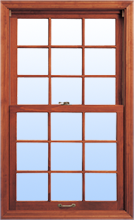
* Suspended Grids / False Grids – the grids are between your panes of glass.

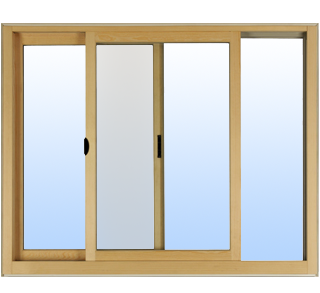


* Fixed / non-removable grids – These are windows with non-removable obstructions making the window look and feel like individual pieces of glass.