

A storefront can pick up fingerprints, rain spots, road dust, and salt residue faster than most owners expect. Knowing how to plan storefront cleaning visits helps you protect the first impression customers get before they ever walk through the door. The goal is not simply to clean glass when it looks bad. It is to set a schedule that fits your business hours, building conditions, customer traffic, and Western Pennsylvania weather.
For a busy retail shop, restaurant, office, salon, or medical practice, a dependable plan removes one more task from the weekly to-do list. It also gives staff and customers a cleaner, more professional place to arrive each day.
No two storefronts collect dirt in the same way. A boutique on a quieter side street may need exterior window cleaning every four to six weeks. A restaurant near a busy intersection, construction area, or parking lot may need attention every one to two weeks. Entry glass, door handles, and lower windows often show marks before the higher panes do.
Walk outside at the times customers are most likely to arrive. Look at the glass from the sidewalk, not only from inside the building. Smudges, cobwebs, mineral spots, and grime along the bottom edge can be more noticeable from the street than they are from behind the counter.
Consider what affects your property over a normal month. Traffic spray, nearby landscaping, roadwork, pollen, cigarette smoke, and frequent hand contact all change the right service interval. In Pittsburgh and surrounding communities, winter road salt and spring pollen can make an otherwise reliable schedule feel too spread out.
A practical starting point is a recurring visit every two to four weeks for customer-facing storefronts. Then adjust after the first few service cycles. If the windows still look clean at the next visit, you may be able to extend the schedule. If they look tired after a week, more frequent exterior touch-ups may be worthwhile.
The best window cleaning schedule is one your business barely has to think about. That usually means choosing service times with low customer traffic and clear access to the building.
For many retailers and offices, early morning before opening is the easiest choice. The cleaner can work around the entrance without customers stepping through a wet doorway or needing to pass ladders and equipment. Restaurants may prefer midmorning after breakfast service or an afternoon window between meal periods. A business that stays open late might find that a daytime appointment works better, especially if its storefront receives heavy evening foot traffic.
There is no single right answer. A quiet office lobby can often be serviced during business hours with little disruption. A small shop with one entrance may need a pre-opening visit so employees are not managing customer flow around the work area. Explain your busiest times when requesting an estimate. A professional provider can recommend a practical service window based on the layout and scope of the work.
It also helps to identify the person who can approve access if doors are locked, gates are closed, or interior windows need attention. For multi-tenant properties, the property manager may coordinate access while individual businesses set their own preferred service times.
Window cleaning does not require a cloudless day, but severe weather can affect safety and results. High winds, lightning, ice, heavy rain, and dangerously cold conditions may require a visit to be moved. A reliable schedule should allow for that reality instead of treating a weather delay as a failure.
In Western Pennsylvania, it is smart to plan for extra flexibility from late fall through early spring. Rain itself does not automatically make windows dirty, but rain can carry airborne dust and leave spotting when it dries on already dusty glass. Winter salt spray is a separate issue, particularly for businesses near busy roads and parking lots.
Ask your cleaning provider how weather rescheduling is handled. The best arrangement is typically simple: if conditions are unsafe or unlikely to produce a quality result, the visit moves to the next reasonable opening. That prevents rushed work while keeping your storefront from being overlooked.
Seasonal adjustments are often more useful than holding the same schedule all year. You may want more frequent visits during pollen season, leaf drop, or winter salt season, then scale back during cleaner stretches of the year. A recurring plan should be consistent, but it should not be rigid.
A clean storefront should never come at the expense of safety or normal operations. Before setting recurring visits, review practical details such as parking, sidewalk congestion, alarms, awnings, landscaping, and exterior outlets if they are needed.
Let the cleaning team know about any special circumstances. This can include fragile signage near windows, a narrow sidewalk, a delivery route, a customer queue, or a door that must remain clear for accessibility. If your business is part of a plaza or managed property, check whether the landlord has rules for contractor parking, water use, or work hours.
For larger or higher storefront glass, make sure the provider is properly licensed and insured. Commercial property owners and managers should also expect professional crews to use safe, appropriate methods for the site. Choosing an insured company with background-checked employees gives you greater confidence when work must be performed near entrances, customer areas, or secured buildings.
A Clearvue works with commercial customers throughout the Pittsburgh area to make scheduling straightforward while keeping the focus on safe, professional service.
Storefront cleaning can mean different things depending on the property. Exterior glass may be the priority for a retail entrance, while an office may need both interior and exterior windows to keep its reception area bright and presentable. Door glass and sidelights deserve special attention because customers touch and see them up close.
Be clear about which surfaces should be included. This may cover front windows, entry doors, transoms, interior lobby glass, display windows, and glass partitions. Screens, tracks, frames, and awnings may require separate service or a less frequent cleaning schedule.
Avoid paying for a broad service package that does not match the property, but do not overlook the details that shape the customer experience. A spotless display window next to a smudged front door can still make the entrance feel neglected. Your provider should be able to explain what is included at each visit and what is better handled seasonally.
Recurring service works best when both sides know what to expect. Decide whether you want appointment reminders, a regular day of the month, or a quick confirmation before each visit. For many businesses, a set schedule such as the first Tuesday every month is easy to remember and easy to manage.
Provide one primary contact and one backup contact if possible. The primary contact should be able to answer basic questions about access, timing, or a weather-related change. If the business has a manager on duty, make sure that person knows a cleaning visit is expected.
After the first appointment, take a minute to evaluate the result from the customer side of the glass. If there are areas that need more attention, such as door smudges or lower-level splash marks, mention them before the next visit. Small adjustments early on create a better long-term plan than waiting until the storefront looks noticeably worn.
A storefront schedule should grow with the property. New hours, a renovation, an outdoor dining area, increased foot traffic, or a nearby construction project can all change how often cleaning is needed. Even a new window display can make the condition of the glass more visible to passersby.
Review the plan at least twice a year, especially before winter and after spring. Ask whether the current frequency is keeping the storefront consistently presentable or simply catching up with visible buildup. This is also a good time to coordinate other exterior maintenance, such as gutter cleaning for a small commercial building, so work is planned around the same access needs.
A well-planned visit schedule should feel dependable rather than demanding. Choose a cleaning partner that respects your hours, communicates clearly, and treats your storefront as part of your business’s reputation. When the glass stays clean without last-minute calls and rushed appointments, you can keep your attention where it belongs: serving the people who walk through your door.




* Suspended Grids / False Grids – the grids are between your panes of glass.

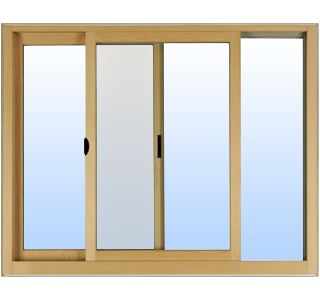


* Fixed / non-removable grids – These are windows with non-removable obstructions making the window look and feel like individual pieces of glass.