

A storefront window can be spotless at opening time and look neglected by midafternoon if the cleaning method does not match the glass, weather, and foot traffic. The best commercial glass cleaning methods are not about using the strongest product available. They combine the right tools, clean water, careful technique, and a service schedule that keeps a property looking professional between deep cleanings.
For Pittsburgh-area offices, retail spaces, restaurants, and multi-tenant buildings, windows face more than fingerprints. Road dust, rain residue, pollen, hard-water spots, construction debris, and winter grime all affect how glass looks. A dependable cleaning plan considers those conditions before a customer or tenant ever notices them.
Commercial glass is not all the same. A ground-level storefront may have plate glass that collects handprints and splash marks every day. An office building may have large exterior panes that gather airborne soil and rain spotting. Interior glass partitions often show fingerprints, smudges, and cleaning-product haze more than outdoor dirt.
Before cleaning begins, identify whether the glass has a protective film, tint, coating, decal, or sensitive surrounding material. Abrasive pads, aggressive chemicals, and dull scraper blades can damage glass or leave visible scratches. Frames also matter. Aluminum, painted trim, stone, and wood can react differently to cleaning solution and runoff.
This first step is one reason commercial window cleaning is more involved than spraying a pane and wiping it down. The goal is clear glass without damage to the window, frame, seals, or nearby finishes.
A professional cleaner may use several methods on the same property. The right choice depends on window height, soil level, access, and the finish expected for the space.
For ground-level windows, interior glass, entry doors, and accessible storefronts, a squeegee remains one of the most reliable options. The process begins with a clean washer sleeve and a controlled amount of cleaning solution. The glass is scrubbed to loosen dirt, then pulled dry with overlapping squeegee strokes.
Done correctly, this method removes soil instead of spreading it around. Edges are detailed with a clean microfiber cloth to catch remaining moisture, especially around frames and corners. It is a practical choice for businesses that need a crisp, streak-free appearance where customers stand close enough to notice every mark.
Squeegee work requires attention to the condition of the rubber blade. A worn blade can leave lines behind, while dirty water can redeposit grime. For that reason, frequent water changes and clean tools make a noticeable difference.
For higher exterior windows, purified-water systems can be an effective choice. Water is filtered to remove minerals and dissolved solids, then delivered through a water-fed pole and soft brush. The brush loosens soil while the pure water rinses the surface. Because the water dries without mineral residue, it can leave glass clear without hand-drying each pane.
This approach can improve safety by allowing trained cleaners to work from the ground on many multi-story properties. It is also useful for windows that are difficult to reach with a ladder, including upper-level office glass and certain building facades.
Pure-water cleaning works best when the glass and frames receive a thorough initial cleaning. If heavily soiled frames are ignored, dirt can run onto the glass after the crew leaves. A professional service should brush frames, ledges, and surrounding areas as needed so the finished result holds up.
Some glass needs more than a routine wash. Hard-water deposits, paint overspray, adhesive residue, oxidation runoff, and post-construction debris may require specialized detail work. This can include approved restoration products, non-abrasive pads, or carefully used glass scrapers with fresh blades.
This is not a place for guesswork. A scraper can remove stuck-on material quickly, but poor technique or a contaminated blade can scratch glass. There are also cases where staining is etched into the surface and cannot be completely removed through cleaning alone. A straightforward assessment helps a property manager understand what can be improved and what may require restoration or replacement.
Interior office partitions, lobby glass, conference-room walls, and display cases benefit from microfiber cloths and a low-residue cleaning solution. Microfiber picks up oils and fine dust effectively when it is clean and used with the proper amount of moisture.
Too much product is a common problem. It can leave a foggy film that looks worse when sunlight hits the glass. For interior surfaces, cleaner technique usually means less solution, frequent cloth changes, and careful edge detailing around hardware and decals.
Commercial window cleaning should produce a polished result without creating new problems for employees, customers, or building materials. Basic professional equipment often includes squeegees, washer sleeves, extension poles, microfiber cloths, buckets, purified-water systems, and appropriate safety equipment.
The solution itself should be selected for the job. Mild glass-cleaning solutions are often enough for routine maintenance. Degreasers may be needed around restaurant entrances or loading areas, but they must be used carefully and rinsed properly. Harsh products can damage window films, dry out seals, or leave residue that attracts dust.
Clean water is equally important. If a cleaner uses water with mineral content on exterior glass, it can leave spotting as it dries. This is especially noticeable in direct sun or after repeated rinsing. The cleaner who shows up with professional equipment, fresh towels, and maintained tools is more likely to leave a consistent finish.
The fastest-looking method is not always the safest one. Commercial properties often have busy sidewalks, parked vehicles, uneven ground, landscaping, overhead lines, and pedestrian traffic to consider. Ladders, poles, and elevated work should be planned around the building and the people using it.
A professional crew should use appropriate fall protection and access procedures when work cannot be completed safely from the ground. They should also protect entryways and nearby surfaces from drips or cleaning runoff. For a property manager, this is more than a convenience issue. Proper insurance, trained employees, and safe work practices reduce risk around an active business.
Weather matters, too. Light rain does not automatically ruin a window cleaning appointment, but heavy rain, high wind, freezing conditions, or lightning can make work unsafe or affect results. In Western Pennsylvania, flexible scheduling and honest communication are part of dependable service.
The best cleaning frequency depends on visibility and traffic. A busy retail storefront may need exterior glass cleaned every two weeks or monthly, with entry doors touched up more often. Professional offices may do well with quarterly exterior service and periodic interior glass cleaning. Restaurants, medical offices, banks, and customer-facing businesses often benefit from more frequent attention because fingerprints and first impressions accumulate quickly.
Location also changes the schedule. Properties near main roads, construction activity, parking lots, or industrial areas collect grime faster. Buildings with mature trees may see more pollen, sap, and leaf debris in certain seasons. Rather than choosing a schedule based only on price, consider how often customers, tenants, and staff see the glass at close range.
A regular plan is usually more cost-effective than waiting until windows look noticeably dirty. Routine service helps prevent stubborn buildup, makes each visit more efficient, and keeps the property presentation consistent.
Daily spot cleaning by staff can help with door glass and fingerprints, but it is not a substitute for trained commercial service. Call a professional when windows are above safe reach, when staining or debris requires specialized treatment, when glass has films or coatings, or when you need reliable recurring service without assigning the task to employees.
For local businesses and property managers, A Clearvue provides insured, professional window cleaning with straightforward scheduling and free estimates. A qualified crew can evaluate the glass, access conditions, and cleaning frequency before recommending a plan that fits the property.
Clean windows do more than brighten a view. They tell customers, tenants, and visitors that the people responsible for the property pay attention to the details. The right method and a dependable service schedule keep that message clear every day.




* Suspended Grids / False Grids – the grids are between your panes of glass.

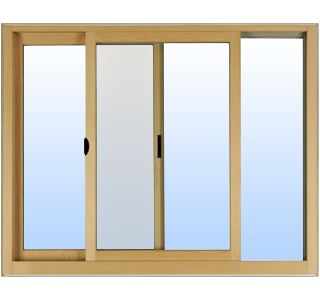


* Fixed / non-removable grids – These are windows with non-removable obstructions making the window look and feel like individual pieces of glass.