A window can look worse five minutes after cleaning than it did before. You wipe away fingerprints and pollen, then sunlight hits the glass and reveals hazy lines, drips, and cloudy patches. If you have been asking why windows streak, the answer is usually not that the glass is impossible to clean. It is a combination of residue, drying conditions, tools, and technique.
For homeowners and property managers across Pittsburgh and Western Pennsylvania, the issue can be especially frustrating after a long winter, spring pollen, or a stretch of rainy weather. Clean windows make a noticeable difference in curb appeal and the way a room feels. Getting a clear finish requires more than spraying and wiping.
A streak is simply material left on the glass after the water has dried. That material may be cleaner residue, minerals from water, dissolved dirt, oils from hands, or lint from a towel. The key is that a window can appear clean while it is wet, then show every remaining trace as it dries.
The most common cause is using too much cleaning solution. More product does not always mean more cleaning power. In fact, excess cleaner often leaves behind a thin film that creates smears when sunlight shines through the pane. This is particularly common with store-bought glass cleaners used heavily on a small area.
Dirty tools are another frequent problem. A paper towel, microfiber cloth, squeegee blade, or scrubber may look clean but still hold oils, fabric softener residue, dust, or grit from a previous job. Once that material touches the glass, it gets redistributed in long, visible lines. Reusing the same towel after it is saturated also tends to move moisture around instead of removing it.
Hard-water minerals can make the problem more persistent. Water that dries on glass may leave calcium and mineral deposits behind, especially around sprinkler overspray, exterior faucets, and areas with runoff. These deposits can look like streaks at first, but they may actually be etched spots that require more than ordinary window cleaner.
Even the right supplies can leave streaks if the glass dries too quickly. Direct sunlight warms the pane and causes cleaning solution to evaporate before it can be properly removed. The result is a patchy haze or a pattern of wipe marks. On hot, bright days, it is often better to work on the shaded side of the home or building first.
Wind creates a similar challenge. It carries dust and pollen onto wet glass, while also speeding up drying time. In Western Pennsylvania, spring pollen and roadside dust can settle quickly, particularly on windows near busy streets, parking areas, or landscaping.
Exterior windows may also look streaked when the glass is not the only surface that needs attention. Dirty screens can transfer debris back onto freshly cleaned glass. Grimy window tracks can release dirt when the window is opened or when rain runs down the frame. A thorough cleaning considers the surrounding components, not just the center of the pane.
The first mistake is starting with a dry wipe. Dry towels can drag dust, pollen, and abrasive particles across the glass, creating smudges and potentially fine scratches. Loosen surface dirt with water or a suitable cleaning solution before wiping or squeegeeing.
The second is using paper towels for every job. They are convenient for a quick touch-up, but they can leave lint and do not absorb evenly once they become damp. A clean, quality microfiber cloth is usually a better choice for detailing edges and buffing small areas. For larger windows, a professional-grade squeegee produces a more consistent result.
Another issue is failing to clean the edges. Water and cleaning solution collect along the frame, where they can run onto the glass after the main pane looks finished. Detailing the perimeter with a dry cloth helps prevent those late-appearing drip marks.
Finally, many people use a circular wiping motion from start to finish. Circular motions can spread residue across a broad area and make it harder to identify where the streak originated. If you are wiping rather than using a squeegee, work in consistent horizontal or vertical passes. Clean the inside in one direction and the outside in the other. If a streak appears later, you can tell which side needs attention.
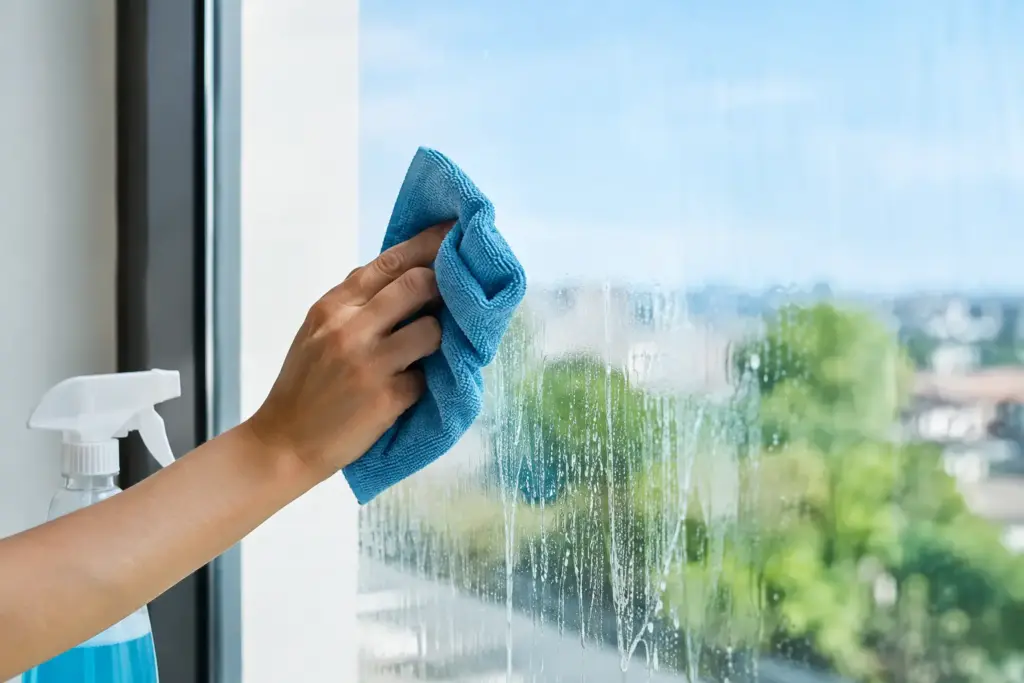
For routine interior cleaning, start with a clean microfiber cloth and use a light amount of glass cleaner. Wipe the glass in overlapping passes, then use a second dry microfiber cloth to buff the edges and remove any remaining moisture. Change cloths as soon as they become wet or visibly dirty.
Exterior windows generally need more preparation because they collect soil, pollen, insect residue, and airborne grime. Rinse loose debris before scrubbing so dirt is not dragged across the pane. Then use a clean applicator to wash the glass and remove the solution with a sharp, clean squeegee blade. Wipe the blade after each pass and dry the sill and edges before moving on.
The solution itself matters, but moderation matters more. A mild mixture can work well for ordinary soil. Heavy product buildup, hard-water staining, paint overspray, or construction debris may call for a more specialized approach. Using the wrong chemical or abrasive tool can damage window film, seals, frames, or tempered glass, so it is wise to stop if a mark does not respond to normal cleaning.
Some marks remain because they are beneath the surface or permanently bonded to it. Failed insulated glass seals can cause fogging between panes, which cannot be cleaned from either side. Scratches can catch the light and resemble a streak. Oxidation on aluminum screens or frames may wash onto nearby glass, leaving recurring marks until the source is addressed.
Hard-water spots can also be deceptive. If mineral deposits have been sitting on a window for a long time, they can etch the glass. A normal wipe may make the window look cleaner temporarily, but the spots return in certain light. Professional assessment can help determine whether the issue is removable residue, etching, or a window condition that requires repair or replacement.
Commercial properties face additional factors. Storefront glass attracts fingerprints, moisture, traffic film, and dust every day. Offices and facilities with large glass entrances may need regular cleaning to prevent buildup from becoming more difficult and time-consuming to remove. A scheduled service plan is often more practical than waiting until the glass looks noticeably dirty.
Cleaning first-floor interior windows is manageable for many property owners. The trade-off changes with second-story glass, skylights, large commercial panes, delicate screens, storm windows, or hard-water staining. Those jobs require the right equipment, safe access practices, and enough experience to avoid leaving residue behind.
A professional window cleaning team also brings consistency. Clean water, maintained squeegee blades, appropriate tools, and a repeatable process make a real difference in the final appearance. For homeowners preparing for guests, selling a property, or catching up on seasonal maintenance, that can save time and prevent the frustration of redoing the same windows.
For businesses, clean glass is part of the first impression. Customers may not comment on spotless windows, but they often notice neglected ones. A Clearvue provides professional residential and commercial window cleaning with the dependable service local property owners expect, including fully insured work and straightforward scheduling.
The next time streaks show up in the afternoon sun, do not assume you need more cleaner. Start with clean tools, less solution, and a slower approach that accounts for weather, window edges, and the condition of the glass. If the marks keep returning or the windows are difficult to reach safely, a free professional estimate can be the simplest way to get the clear view you were after.



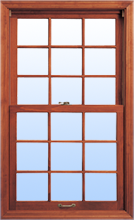
* Suspended Grids / False Grids – the grids are between your panes of glass.

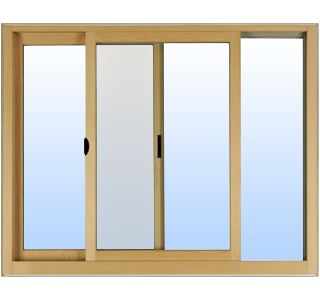


* Fixed / non-removable grids – These are windows with non-removable obstructions making the window look and feel like individual pieces of glass.