

A clean window can change how a property feels before anyone walks through the door. For a Pittsburgh homeowner, it can bring more daylight into rooms after a long winter. For a storefront, office, or managed property, it helps create the polished first impression customers and tenants notice. The right choice between monthly versus seasonal window cleaning comes down to how your property is used, where it is located, and how consistently you want it to look its best.
Neither schedule is automatically better. Monthly service offers dependable upkeep and a consistently sharp appearance. Seasonal cleaning is often a practical fit for properties with lighter exposure to dirt, weather, and foot traffic. Understanding the trade-offs can help you choose a schedule that feels worthwhile rather than excessive.
Monthly window cleaning is designed for properties where windows get dirty quickly or appearance has a direct effect on business. Retail storefronts, restaurants, offices with public-facing entrances, medical offices, fitness facilities, and high-traffic commercial buildings often benefit from this frequency.
In Western Pennsylvania, windows can collect more than ordinary dust. Road salt residue, pollen, rain spots, construction dust, exhaust, and fingerprints all show up quickly on ground-level glass. A business located near a busy road, parking lot, or active construction area may need monthly service simply to maintain a clean, professional presentation.
For commercial properties, consistency is one of the strongest reasons to choose a monthly schedule. Instead of waiting until the glass looks noticeably dirty, cleaning is handled before buildup becomes part of the customer experience. Property managers also appreciate having a predictable service date, a known cost, and one less recurring maintenance task to coordinate.
Monthly service can also make sense for certain homes. Large homes with many windows, residences near heavily traveled roads, and homes surrounded by mature trees may show dirt and debris sooner than expected. Homeowners who frequently entertain, list their home for sale, or simply prefer a well-maintained exterior may find that regular service is a good use of their time.
Dirt on windows is not always just cosmetic. Minerals in hard water, sap, bird droppings, and other residues can become more difficult to remove when they sit on glass for long periods. Regular professional cleaning helps prevent the kind of stubborn spotting that can require more time and attention later.
A monthly plan is also convenient. There is no need to remember when the last cleaning happened or make a call when the windows begin to look neglected. The schedule is already in place, and your property continues to receive reliable care.
Seasonal window cleaning is a popular choice for homeowners and lower-traffic commercial properties. In most cases, it means scheduling service two to four times a year, often around the seasons that create the most visible mess.
Spring cleaning removes winter grime, salt spray, and residue left behind by snow and rain. A summer or early fall visit can clear pollen, dust, and insect marks. Many homeowners also schedule a fall cleaning to brighten the house before the holiday season and prepare windows for the months when they are less likely to be opened.
This approach works well when your windows generally stay clean between appointments. A home set back from the road, an office on an upper floor, or a building with limited public traffic may not need monthly attention. Seasonal service gives the property a refreshed appearance at key times of year without committing to a more frequent plan.
For many homeowners, seasonal cleaning aligns naturally with other exterior maintenance. Window cleaning can be planned around gutter cleaning, leaf removal, or routine property upkeep, which makes it easier to keep the outside of the home looking cared for without managing separate tasks every month.
Pittsburgh weather does not always follow a neat calendar. A particularly pollen-heavy spring, nearby landscaping work, a storm, or an extended construction project can leave windows looking dirty sooner than planned. Seasonal service does not have to mean rigid service. It can be a dependable baseline with an extra cleaning scheduled when conditions call for it.
That flexibility is especially useful for homeowners preparing for a graduation party, family gathering, home appraisal, or real estate listing. Commercial customers may also add an appointment before a grand opening, important tenant visit, or major event.
The best schedule is usually clear once you look at four practical factors: visibility, exposure, property use, and budget.
Visibility matters because windows near entrances, sidewalks, waiting areas, and customer-facing spaces have more influence on first impressions. A smudged storefront door or front office window is more noticeable than a second-story window at the back of a building.
Exposure includes everything that lands on glass. Properties near roads, trees, rail lines, parking lots, or construction sites often need more frequent service. Landscaping features such as sprinklers can also cause mineral spotting if water repeatedly reaches the windows.
Property use is different for every customer. A restaurant, salon, clinic, or retail location may need a monthly plan because people see the windows every day. A private residence may be well served by seasonal visits unless its surroundings create unusually heavy buildup.
Budget deserves an honest look as well. Seasonal cleaning has a lower annual service frequency, which can be the right choice for many properties. Monthly cleaning costs more over the year, but it may deliver better value when clean windows support customer confidence, tenant satisfaction, or a property’s overall presentation. The goal is not to choose the most frequent service by default. It is to choose a schedule that prevents windows from becoming a recurring concern.
For most residences, twice-yearly or quarterly cleaning is a sensible place to start. Spring and fall appointments address the biggest seasonal changes, while quarterly service adds a midyear refresh for homes that collect pollen, dust, or tree debris.
For commercial properties, monthly exterior cleaning is often appropriate for ground-floor glass and primary entrances. Interior glass may not need the same frequency, particularly in low-traffic offices. A tailored plan can focus attention where it has the greatest visual impact instead of applying the same schedule to every pane.
Mixed-use properties and property managers may benefit from a combination approach. Public-facing windows can receive monthly service, while less visible areas are handled seasonally. This keeps the property looking professional while using the maintenance budget thoughtfully.
There is a difference between wiping a window and professionally maintaining it. Experienced window cleaners use the right tools and methods for exterior glass, interior glass, frames, sills, and hard-to-reach areas. They can also identify concerns such as damaged screens, deteriorating seals, heavy mineral deposits, or areas where water is regularly affecting the glass.
Safety matters, too. Cleaning upper-story windows, large commercial panes, or glass above landscaping and walkways can create unnecessary risk for property owners and staff. A licensed, insured provider with background-checked employees gives homeowners and managers confidence that the work will be handled professionally.
A Clearvue works with residential and commercial customers throughout the Pittsburgh area to build cleaning schedules around the property rather than forcing every customer into the same plan. A free estimate is a straightforward way to discuss window count, access, exposure, and the level of service that makes sense.
Clean windows are easiest to maintain when service is scheduled before they become a distraction. Whether that means dependable monthly visits or well-timed seasonal appointments, a plan built around your property can keep the view clear and the exterior looking cared for all year.



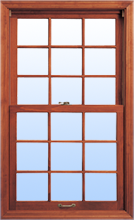
* Suspended Grids / False Grids – the grids are between your panes of glass.

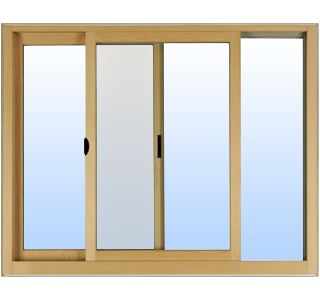


* Fixed / non-removable grids – These are windows with non-removable obstructions making the window look and feel like individual pieces of glass.