
A window screen can look fine from the sidewalk and still have a small tear, loose spline, or bent frame that invites trouble indoors. In Western Pennsylvania, screens deal with heavy spring pollen, summer storms, curious pets, and months of winter storage. Knowing how to protect window screens helps keep fresh air flowing while keeping insects, debris, and unwanted pests where they belong – outside.
Screens are a relatively simple part of a window, but they are easy to damage through everyday use. A little preventive care goes a long way, especially for homeowners and property managers who want their windows and exterior presentation to stay in good condition.
The easiest way to extend screen life is to treat screens as a barrier, not a support surface. They are not designed to hold the weight of a child, pet, hand, planter, or cleaning tool. Even a light push can stretch mesh or bow a thin aluminum frame.
When opening windows, use the sash, handle, or designated window hardware rather than pulling on the screen. If a screen sticks in its track, avoid forcing it. Dirt, paint buildup, bent tabs, or a shifted frame may be causing the problem. Forcing the screen can tear mesh at the edges or break the small springs and pull tabs that hold it in place.
Keep patio furniture, garden tools, and other hard objects a safe distance from low windows. On commercial properties, this is especially helpful near walkways, loading areas, and break rooms where screens may be bumped by carts, boxes, or landscaping equipment.
Dogs and cats can damage screens quickly, often because they see a squirrel, another animal, or someone approaching the house. Standard fiberglass mesh is not meant to resist claws. If pets regularly lean against or scratch a particular screen, consider adding a protective grille, installing pet-resistant mesh, or limiting access to that window.
Pet-resistant mesh is stronger, but it is not indestructible. It may reduce visibility slightly and can cost more than standard screening. For many homes, it makes sense only for the one or two windows where pets spend the most time.
Dirt and pollen do more than make a screen look dull. Built-up debris can hold moisture, encourage staining around the frame, and make mesh less flexible over time. Regular, gentle cleaning protects both the screen and the glass behind it.
Start by removing loose dust with a soft brush attachment on a vacuum or a dry microfiber cloth. For more noticeable grime, take removable screens outside and rinse them lightly with a garden hose. Use low pressure. A strong spray nozzle can stretch mesh, pop it out of the spline channel, or bend a lightweight frame.
A bucket of warm water with a small amount of mild dish soap is usually enough for routine cleaning. Wipe gently with a soft sponge, rinse, and let the screen air-dry completely before putting it back in the window. Avoid abrasive pads, harsh degreasers, bleach, and pressure washers. They can weaken the mesh, discolor frames, and damage nearby window finishes.
For upper-story windows or screens that are difficult to remove safely, it may be better to leave the screen in place and use a lightly dampened microfiber cloth from inside. Do not lean out of a window to reach an exterior screen. Safe access should always come before a cleaner screen.
Taking screens out before a thorough window cleaning makes it easier to reach the glass, tracks, and corners. It also prevents cleaning solution from collecting in the mesh. Before removal, note which screen belongs to each opening. Similar-looking screens are not always interchangeable, particularly in older Pittsburgh-area homes with replacement windows added at different times.
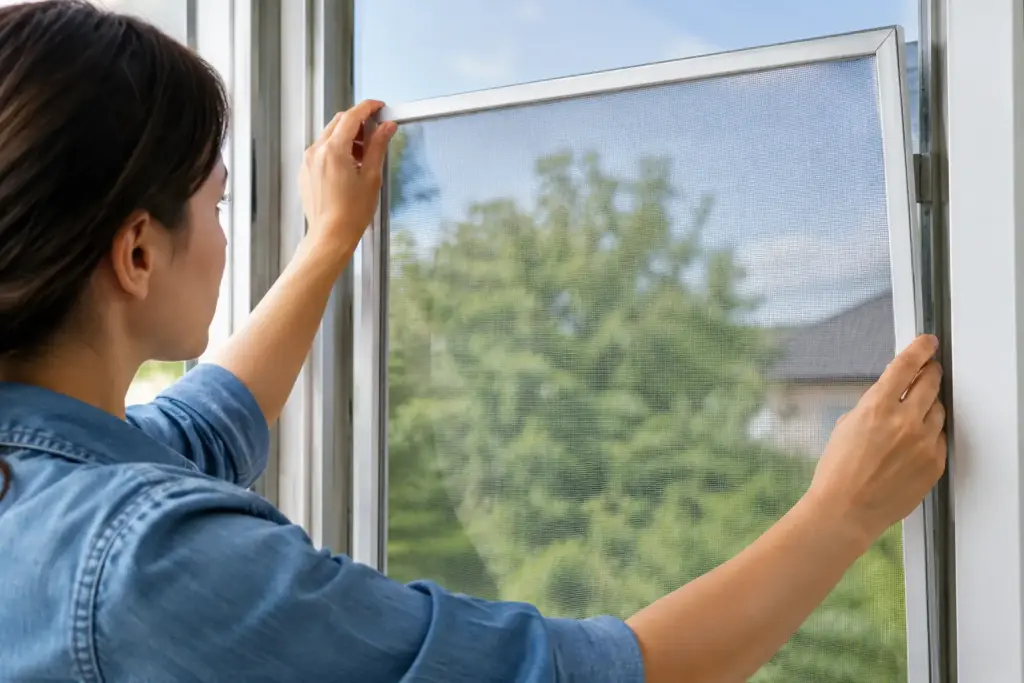
Use the tabs or springs gently, support the frame with both hands, and place removed screens on a clean, flat surface. Leaning a screen against a wall can warp the frame, particularly on a hot day or when it is left there for an extended period.
Rain itself is not usually a problem for modern window screens, but repeated exposure to windblown grit, tree debris, and freeze-thaw conditions can take a toll. The right seasonal approach depends on the screen type, window style, and whether your home uses storm windows.
If you have removable screens and traditional storm windows, switch them according to the manufacturer’s guidance. Storm windows can improve insulation during cold months, while screens are generally more useful during the spring and summer ventilation season. Do not assume every screen should be removed for winter, though. Many modern windows are designed to keep screens in place year-round.
When screens will be stored, clean and dry them first. Label them by room or window location, then store them upright in a dry area where they will not be crushed. A basement can work if it stays dry, but avoid stacking heavy items against screens or placing them directly on a damp concrete floor. A garage shelf, utility room, or protected storage rack is often a better option.
In neighborhoods with mature trees, check screens after strong windstorms. Branches, acorns, and flying debris can create small holes that are easy to miss until insects begin coming through. Prompt attention to a minor tear is usually less expensive and less frustrating than waiting until the screen pulls loose from the frame.
A quick inspection at the start of spring and again before fall can prevent a damaged screen from becoming a bigger repair. Look closely along the frame edges, corners, pull tabs, and the rubber spline that holds the mesh in place. Watch for sagging mesh, rusted hardware, bent metal, holes, or frayed areas near the bottom of the screen.
Small holes can sometimes be patched, but a patch is best viewed as a short-term fix for a low-visibility area. It may be noticeable from inside, and it will not restore the appearance or strength of a clean rescreening job. When the mesh is brittle, sagging in several spots, or damaged across a larger area, replacing the mesh is usually the better choice.
Frames deserve attention as well. A screen that does not sit squarely in the window can leave gaps that allow insects inside. It may also rub against the window frame, chip paint, or become difficult to remove. Bent frames can sometimes be adjusted, but repeated bending can weaken aluminum. For a badly distorted frame, replacement is often more reliable.
Standard fiberglass screens are common because they are affordable, flexible, and provide good airflow. They work well for many residential windows, but they can snag or tear when exposed to pets, children, or frequent contact.
Aluminum mesh can be more resistant to punctures, but it can dent or crease, and it may corrode in certain conditions. Specialty options, including pet-resistant, solar, and fine insect mesh, solve specific problems but involve trade-offs. Solar screens can reduce glare and heat gain, for example, while also making the view darker. Fine insect mesh can help with very small insects but may slightly reduce airflow.
For a rental property, office, storefront, or multi-unit building, consistency matters. Matching screen materials and maintaining clean, intact frames creates a more orderly appearance and makes future repairs easier to manage.
Basic screen cleaning is manageable for most property owners. The situation changes when windows are high, access is limited, screens are fragile, or the glass and tracks need detailed cleaning at the same time. Trying to reach difficult windows from a ladder or through an open upper-story window creates risks that are not worth taking.
Professional window cleaning can be a practical time to have screens removed, handled carefully, and cleaned as part of a larger exterior maintenance visit. A Clearvue provides professional residential and commercial window cleaning for properties throughout the Pittsburgh area, with the dependable service and careful handling that exterior glass and screens require.
A clean, well-fitted screen is easy to overlook, which is exactly the point. When it is doing its job, you can open the windows, enjoy the air, and feel confident that the view remains clear and the unwanted visitors stay outside.



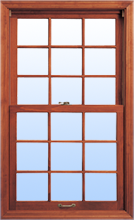
* Suspended Grids / False Grids – the grids are between your panes of glass.
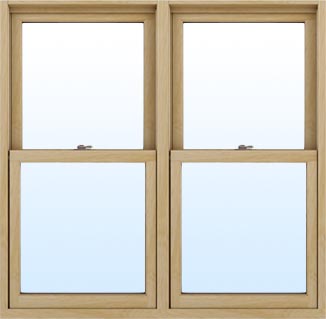
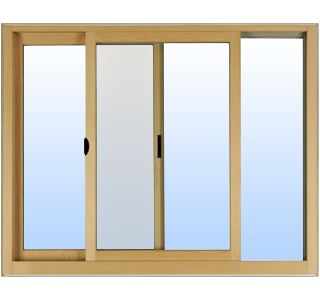
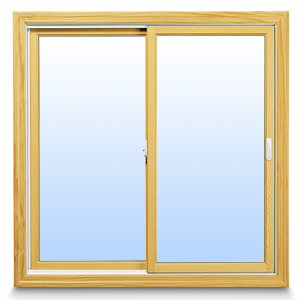

* Fixed / non-removable grids – These are windows with non-removable obstructions making the window look and feel like individual pieces of glass.