

A gutter guard performance review should begin with a realistic expectation: guards can reduce the amount of debris that enters a gutter, but they do not make the gutter system maintenance-free. In Pittsburgh and across Western Pennsylvania, heavy rain, wet leaves, pine needles, seed pods, and winter freeze-thaw cycles put any gutter protection system to the test. The right guard may make cleanings less frequent. It will not eliminate the need to check that water is moving safely away from the home.
For homeowners and property managers, the goal is not simply to keep leaves out. It is to prevent overflow, standing water, clogged downspouts, damaged fascia, and water collecting near the foundation. A guard should be judged by how well it supports that goal in the conditions around your property.
A well-performing gutter guard allows rainwater to enter the gutter while keeping most large debris on the outside. Leaves should blow away or dry enough to be removed easily, rather than forming a damp layer over the guard. Water should flow into the trough without spilling over the front edge during a normal rain.
The guard also needs to stay secure. A system that shifts, buckles, or pulls loose under snow, ice, or accumulated debris can create more problems than an open gutter. Its installation should not interfere with the roof edge, loosen shingles, or make future gutter service unnecessarily difficult.
Performance is also about the downspouts. Even when a guard keeps the gutter trough relatively clear, fine debris can still find its way inside and collect at the downspout opening. If water is not draining freely through the full system, the home remains exposed to the same overflow risk a guard was meant to reduce.
No single gutter guard style is best for every Western Pennsylvania property. The trees near the roofline, roof pitch, gutter condition, and amount of rainfall all affect the outcome. A home under mature maples has different needs from a commercial property surrounded by pine trees or a newer home with little tree cover.
Screen-style guards are common because they are straightforward and can block larger leaves. Their weak point is smaller debris. Maple seeds, roof grit, shingle granules, and fine organic material can settle on top or pass through openings. When wet leaves form a mat across the surface, rain can flow over the guard instead of into the gutter.
Perforated metal guards generally hold their shape better than lightweight plastic screens and can provide a more durable barrier. Still, their holes need to match the debris around the property. Smaller openings may block more debris but can also collect fine material on top. Larger openings drain quickly but may allow more material into the gutter.
Fine-mesh systems can be effective around small leaves, needles, and roof grit because the openings are much smaller. They often provide better filtering than basic screens. However, they are not automatically the best choice in every situation.
Fine mesh can develop a surface layer of pollen, granules, or decomposing debris. Water may still enter, but flow can slow during a hard storm if the surface is not kept clear. These guards also need a sound, properly pitched gutter beneath them. Adding a premium cover does not correct loose hangers, improper slope, or a downspout that is already undersized or blocked.
Solid-cover systems use water tension to guide rain into a narrow opening while leaves pass over the edge. They can be helpful where large leaves are the main concern, but installation quality is especially important. The angle of the cover, the roof pitch, and the volume of water coming off the roof all influence how well the system handles a strong downpour.
During very heavy rain, some solid-cover designs may overshoot or spill if water moves too quickly across the roof edge. Small debris may also collect in the front opening. Before choosing this style, it is worth considering the roof’s drainage pattern rather than relying on a broad claim that the guard never clogs.
Foam and brush products sit inside the gutter and are usually the easiest to install. Their lower upfront cost can be appealing, especially for a short-term solution. Over time, though, they can trap dirt, seeds, and decaying material within the gutter itself.
Once organic debris stays wet, it may support plant growth, insects, and ice buildup. These inserts can also be difficult to clean thoroughly without removing them. For many properties with regular tree debris, this approach requires closer attention than the packaging may suggest.
Our local weather is hard on exterior systems. Spring brings seed pods and pollen. Summer storms can drop a large amount of water in a short period. Fall leaf buildup is obvious, but winter can be just as demanding when meltwater refreezes around gutters and downspouts.
A guard that looks clean after a light shower has not necessarily proven itself. The more meaningful test is how the system handles repeated rain, saturated leaves, and rapid temperature changes. Watch the gutter line during a steady rain from a safe location on the ground. Water pouring over the front edge, staining on siding, or runoff near the foundation are signs that the system needs attention.
Snow and ice deserve special consideration. Gutter guards are not a cure for ice dams, which are often connected to attic insulation, ventilation, and heat loss from the roof. A guard may keep certain debris out, but it cannot solve a roofing or drainage issue on its own.
The most common disappointment with gutter guards comes from the belief that maintenance is over once they are installed. In practice, guards can reduce debris inside the gutter while creating a new surface that needs periodic inspection. Leaves can rest on top, debris can gather at valleys, and downspout outlets can still clog.
Most properties benefit from an inspection at least once or twice a year, with additional attention after a major storm or a heavy leaf drop. Homes beneath dense trees may need more frequent service. The right schedule depends on the property, not a promise printed on a box.
A professional cleaning visit can confirm that guards remain fastened, clear debris from the roof edge and guard surface, flush the gutter channels, and check downspout flow. It also provides an opportunity to spot loose fasteners, sagging sections, seam leaks, or damage before those smaller issues become costly repairs.
Gutter guards tend to make the most sense when a property receives frequent leaf or needle debris and safe access for regular cleaning is difficult. They can also be useful for owners who want to reduce how often their gutters require hands-on cleaning, provided they accept ongoing inspections as part of the plan.
They may be less valuable for a property with minimal tree cover and gutters that are already easy to maintain. In that case, routine professional cleaning can be simpler and more cost-effective than installing a system that still needs monitoring. If the gutters are old, pulling away from the fascia, or draining poorly, repair and proper cleaning should come before any guard installation.
Before committing, look at the full drainage system. Consider the trees around the building, the roof’s runoff pattern, gutter size, downspout placement, and the condition of existing materials. Ask how the proposed guard will be cleaned and serviced later. A useful answer should be specific to the property, not a blanket guarantee.
Gutter guards can be a practical addition to a well-maintained drainage system, particularly on tree-covered Pittsburgh-area properties. Their value comes from reducing debris, not from eliminating responsibility. A Clearvue gutter service visit can help homeowners identify whether buildup, poor drainage, or aging gutter components are affecting performance.
If you notice overflow, staining, sagging gutters, or water collecting near the foundation, schedule a professional inspection before the next heavy rain. Keeping water moving where it belongs is one of the simplest ways to protect the exterior of the property.




* Suspended Grids / False Grids – the grids are between your panes of glass.

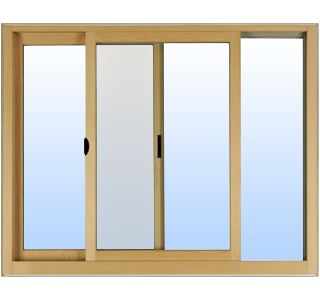


* Fixed / non-removable grids – These are windows with non-removable obstructions making the window look and feel like individual pieces of glass.