
A customer can decide how they feel about your business before they ever touch the door handle. Smudged glass, faded signs, and clutter near the entrance send a message fast. If you are looking for the best ways to boost storefront appearance, the good news is that the biggest improvements usually come from a few practical upgrades done consistently.
For storefronts across Pittsburgh and Western Pennsylvania, appearance is not just about style. It affects foot traffic, customer confidence, and how well your property reflects the quality of what happens inside. A polished exterior tells people the business is attentive, professional, and open for business.
Most owners and property managers already know curb appeal matters, but many underestimate how quickly small issues add up. One streaked window may not seem like a big deal on its own. Add dust on the door frame, overflowing trash, dim lighting, and a weathered entry mat, and the storefront starts to look neglected.
That matters because customers use visual cues to make fast judgments. If the outside looks poorly maintained, people may assume the same about the products, service, or management. On the other hand, a clean and organized storefront creates a sense of order and trust before a word is spoken.
There is also a practical side. Routine exterior upkeep can help you spot small maintenance issues early, from damaged caulking to clogged gutters and water staining. That can protect the property while keeping the storefront looking sharp.
The strongest improvements usually start with visibility. People notice your windows, entrance, signage, and lighting first. If those four areas look clean and intentional, the whole property tends to feel more inviting.
Clean glass is one of the fastest ways to improve the look of a storefront. It brightens the interior, improves visibility from the sidewalk or parking lot, and removes the haze that can make a business look tired. For retail shops, restaurants, offices, and service businesses, clear windows help customers see that the space is active and cared for.
This is one area where consistency matters more than a one-time cleanup. In Western Pennsylvania, windows collect pollen, road dust, water spots, and grime quickly, especially near traffic-heavy corridors. If your location faces a busy road or gets hit with frequent weather, the cleaning schedule may need to be more frequent than you expect.
Professional window cleaning also tends to produce a better result on large panes, glass doors, transoms, and higher exterior windows. It saves staff time and avoids the streaking that often comes with quick wipe-downs using the wrong materials.
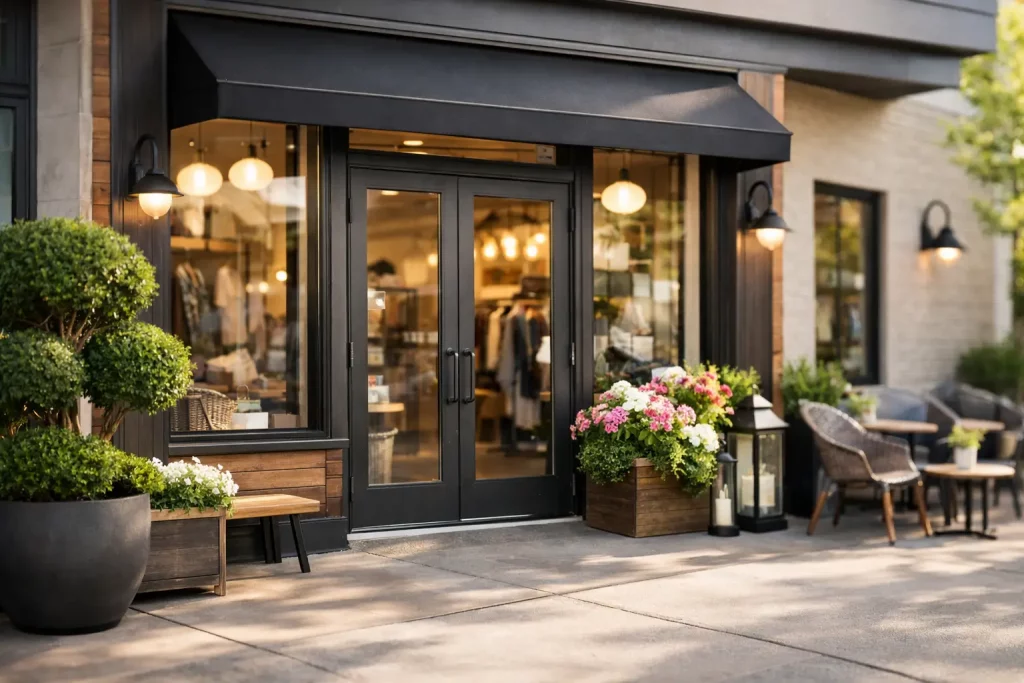
The entrance is where first impressions become final ones. Customers notice whether the door glass is clean, whether the hardware looks polished, and whether the area around the threshold feels safe and welcoming.
Start with the basics. Replace worn mats, remove stickers or residue from glass, and make sure the handles, frames, and kick plates are wiped down regularly. If planters are part of the design, keep them seasonal and healthy rather than letting them become an afterthought.
It also helps to look at the approach to the entrance. If leaves collect near the door, if the sidewalk edges are dirty, or if the trash receptacle sits too close to the entry, the storefront can feel more chaotic than inviting.
Good lighting makes a storefront feel safer, cleaner, and easier to notice. It is especially important during early mornings, evenings, and darker winter months, which are a real factor in Pennsylvania.
The goal is not harsh brightness. It is clarity. Customers should be able to read the sign, see the entrance, and feel comfortable approaching the building. Replace burned-out bulbs quickly, clean the fixtures, and check whether exterior lights are casting uneven shadows that make the space look older than it is.
Warm, balanced lighting often works better than overly bright cool lighting for customer-facing businesses, but it depends on the property style. A modern office may want a different look than a neighborhood boutique or restaurant. The key is to make the lighting feel intentional.
Quick visual fixes matter, but long-term appearance depends on routine upkeep. The storefront should not swing between spotless and neglected. A consistent standard usually performs better than occasional major cleanups.
Signage should be easy to read, clean, and in good repair. If the main sign is faded, peeling, or partly obstructed, it can drag down the whole frontage. The same goes for window graphics that are curling at the edges or covered in dust.
Less is often better. Too many posters, temporary signs, sale notices, and taped-up messages can make the storefront look disorganized. Keep what is current, remove what is outdated, and give the main branding room to stand out.
If your business depends on walk-in traffic, make sure your hours, suite number, and any directional information are simple and easy to spot. Clean presentation does more than look professional. It reduces friction for customers.
This is one of the most overlooked factors in storefront appearance. When gutters clog or drainage fails, the results show up fast on the building exterior. You may see staining on siding, dirty streaks below rooflines, splash marks near the entrance, or debris collecting around the property.
Even if customers do not identify the cause, they notice the effect. Water-related grime can make a building look older and less maintained. Regular gutter cleaning and exterior checks help prevent those stains from becoming part of the property’s everyday look.
For multi-tenant properties and commercial buildings, this matters even more because one neglected drainage area can affect the appearance of the entire frontage.
A sharp storefront includes what surrounds it. Sidewalks, curbs, landscaping edges, and parking lot approaches all shape first impressions. If the windows sparkle but cigarette litter sits near the curb, customers will still register the space as poorly maintained.
Walk the property as if you were visiting for the first time. Look at corners, edges, and transition areas where dirt gathers. Check for cobwebs under overhangs, buildup around outdoor light fixtures, and debris near planters or utility boxes.
This does not always require a major investment. Often it is a matter of setting a regular maintenance routine and making sure someone owns the task.
Not every storefront needs the same approach. The best ways to boost storefront appearance depend partly on how customers use the space.
For retail shops and restaurants, visibility and warmth matter most. Customers should be able to see inside, understand whether the business is open, and feel welcomed right away. Clean windows, attractive entry details, and strong evening lighting carry a lot of weight.
For offices, medical spaces, and service businesses, professionalism tends to matter more than decorative touches. Clear signage, spotless glass, and a well-kept entrance often do more for trust than seasonal extras.
For multi-unit commercial properties, consistency across the frontage is the real challenge. One neglected section can affect the whole building. In those cases, scheduled exterior maintenance is usually the most reliable way to protect appearance across all tenant spaces.
Some storefront tasks are easy to handle in-house. Others are better outsourced for safety, quality, and consistency. Window cleaning is a good example, especially for larger storefront glass, upper-level windows, or properties that need a polished result week after week.
The same goes for gutter cleaning and light exterior maintenance. These jobs are easy to postpone, but when they slip, the storefront often shows it. Working with a licensed and insured local provider helps remove that burden from staff while keeping the property on a dependable schedule.
For many business owners and property managers, the real value is not just the cleaning itself. It is the confidence of knowing the exterior will be handled professionally, safely, and without constant follow-up. That is often what turns a good-looking storefront into one that stays that way.
A polished storefront does not need to be flashy. It needs to look cared for. Clean windows, a tidy entrance, clear signage, and steady maintenance tell customers that details matter at your business. If your exterior has started to slip, a few well-chosen improvements can change the impression quickly and make the whole property feel stronger from the curb.



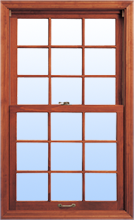
* Suspended Grids / False Grids – the grids are between your panes of glass.
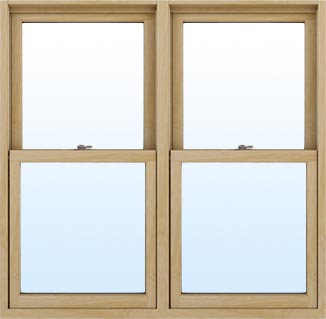
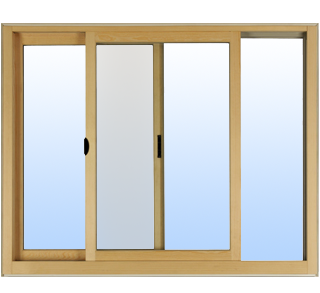
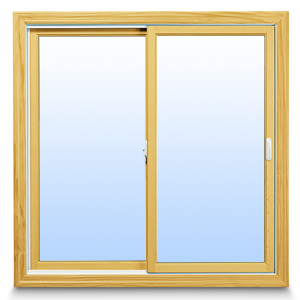

* Fixed / non-removable grids – These are windows with non-removable obstructions making the window look and feel like individual pieces of glass.