

A clean storefront or office facade can lose its impact quickly when windows are streaked, cloudy, or surrounded by failing sealant. This guide to commercial window maintenance helps Pittsburgh-area property managers and business owners protect that first impression while catching small issues before they become costly repairs.
Commercial windows do more than admit light. They affect how customers, tenants, employees, and visitors judge the property before they walk through the door. In Western Pennsylvania, rain, road salt, pollen, hard-water runoff, changing temperatures, and winter freeze-thaw cycles all take a toll. A practical maintenance plan keeps glass clearer, frames in better condition, and safety risks under control.
There is no single cleaning schedule that works for every commercial building. A street-level retail storefront near a busy road may need exterior glass cleaned every two to four weeks. An office building set back from traffic may look its best with quarterly professional service. Interior glass usually needs less frequent attention, unless the property has a customer-facing lobby, restaurant, healthcare waiting area, or high-traffic entry.
The right frequency depends on traffic exposure, the building’s surroundings, the type of business, and the standard of appearance tenants or customers expect. A medical office may prioritize spotless entry glass. A warehouse office may place more emphasis on inspecting windows for leaks and operational issues. Properties close to construction, parking lots, or heavily traveled roads often require more frequent service because airborne dust and grime build up faster.
Rather than waiting until windows visibly look neglected, set a recurring schedule and review it seasonally. Regular cleaning makes it easier to identify changes in the glass, seals, or frames that could otherwise remain hidden behind dirt.
Routine window cleaning is preventive maintenance, not just cosmetic work. Dirt can hold moisture against glass and frames. Mineral deposits from sprinkler overspray or runoff can etch glass over time, while salt residue can be especially hard on metal components around the window.
Use cleaning methods suited to commercial glass. Abrasive pads, harsh powders, and improvised tools can scratch glass, damage tinting, or wear down coated surfaces. The same caution applies to frames. Aluminum, vinyl, painted metal, and wood all have different maintenance needs, and the wrong chemical can leave permanent marks or dull the finish.
For a ground-level property, staff may be able to handle light interior touch-ups safely. Exterior cleaning, elevated glass, hard-to-reach panes, and large commercial facades are different matters. Professional crews have the proper equipment and insurance for the work, and they know how to clean efficiently without putting employees, pedestrians, or property at unnecessary risk.
Water spotting is not always a simple cleaning issue. If marks return quickly after service, look for the source. Common causes include malfunctioning irrigation heads, roof runoff, leaking gutters, dripping HVAC equipment, and metal fixtures that leave oxidation stains.
Correcting the source is usually more valuable than repeatedly treating the symptom. A gutter that overflows onto storefront glass, for example, can create stains and contribute to moisture issues around the building exterior. Keeping gutters and drainage paths clear supports window maintenance as well as the overall condition of the property.
The glass may look fine while the window system is developing a problem around its edges. During regular walkthroughs, inspect frames, caulk lines, glazing seals, locks, handles, and any movable window hardware. Focus on areas that receive direct weather exposure or where water tends to collect.
Signs worth addressing include cracked or missing caulk, gaps between the frame and wall, peeling paint, rust, warped trim, loose handles, or windows that no longer close securely. You may also notice fogging between insulated panes. That often indicates a failed seal, allowing moisture to enter the space between the glass layers. Cleaning the surface will not solve that problem.
Early repairs are generally simpler and less disruptive than waiting for water infiltration. Moisture entering around a window can damage insulation, interior finishes, framing, and drywall. On occupied commercial properties, it can also lead to tenant complaints and interruptions to normal operations.
A draft around a window can raise heating and cooling costs, particularly during Pittsburgh’s cold winters and humid summer weather. On a windy day, check for noticeable air movement around frames and sashes. Employees near exterior walls may report cold spots before a manager notices an issue visually.
Condensation needs a more careful look. Moisture on the room-side surface of a window may be caused by high indoor humidity, poor airflow, or a significant indoor-outdoor temperature difference. Moisture between panes usually points to seal failure. Condensation that is limited to one location may indicate a ventilation issue, while widespread condensation may call for a broader building assessment.
Commercial window maintenance can involve ladders, lifts, wet walking surfaces, traffic areas, and work above public sidewalks. Safety should determine how work is planned, not be treated as an afterthought.
Property managers should avoid assigning elevated exterior window work to maintenance staff without the appropriate training, equipment, and coverage. A ladder is not always the safest choice, especially around uneven ground, entrances, landscaping, or overhead obstacles. Larger buildings may require water-fed poles, lifts, rope access, or other specialized approaches based on the structure and access conditions.
Scheduling also matters. Window cleaning at a busy entrance should be planned around customer flow where possible. Clearly mark wet areas, keep equipment organized, and maintain a safe path into the building. For properties with tenants, provide advance notice when exterior work may affect parking, entrances, or access to particular windows.
When hiring a service provider, confirm that the company is licensed and fully insured. This is particularly relevant for multi-story buildings, storefronts with public foot traffic, and any job requiring work at height. Dependable service should protect the property and the people around it.
Local weather should shape the maintenance calendar. Spring is a good time to remove winter grime, salt residue, and debris that may have collected around window channels and exterior frames. It is also a useful time to inspect caulk and seals after repeated freezing and thawing.
Summer often brings pollen, storms, and higher visibility concerns for customer-facing businesses. Clean windows help daylight reach interior spaces and give offices, retail locations, and professional buildings a more cared-for appearance during the busiest part of the year.
In fall, keep leaves and debris out of gutters, drains, and window wells. Blocked drainage can direct water where it does not belong, including against window frames or lower-level glass. Before winter, check that windows close and lock properly, and address obvious gaps in caulking or weatherstripping.
Winter cleaning may be appropriate for accessible areas, but conditions need to be evaluated carefully. Ice, extreme cold, and slippery surfaces can change the safest approach. Some work is better scheduled for a milder day than rushed under unsafe conditions.
For a single small storefront, a simple service calendar may be enough. For a larger office building, retail center, or multi-tenant property, keep a basic maintenance record. Note cleaning dates, areas serviced, visible damage, repairs completed, and recurring concerns such as water stains or condensation.
Photos can be especially helpful. They create a record of changes over time and make it easier to explain concerns to an owner, tenant, contractor, or insurer. If a stain returns in the same place after every storm, documentation can point to a drainage problem rather than a cleaning problem.
A clear record also helps budget for work. Routine cleaning is predictable, while seal replacement, glass repair, or frame restoration may need to be planned separately. Treating these as different line items helps avoid postponing necessary repairs simply because they were discovered during a cleaning visit.
Professional window service makes sense when glass is difficult to access, the property needs consistent presentation, or staff do not have the right equipment for safe exterior work. It is also a smart choice when cleaning reveals persistent mineral buildup, damaged seals, water intrusion, cracked glass, or problems with frames and hardware.
A qualified window cleaning team can provide a dependable cleaning schedule while alerting you to visible maintenance concerns. That does not replace a glazier or building contractor when repairs are needed, but it gives you an extra set of trained eyes on a highly visible part of the property.
For Pittsburgh businesses, well-maintained windows are a straightforward way to show care for the building and the people who use it. A consistent plan, safe service, and prompt attention to small concerns will keep the glass clear and help protect the investment behind it.



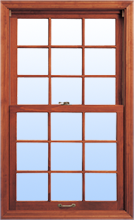
* Suspended Grids / False Grids – the grids are between your panes of glass.
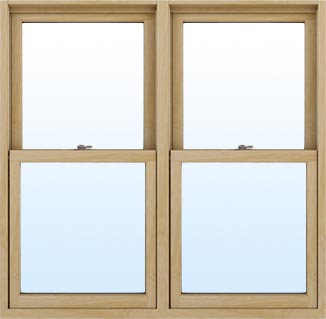


* Fixed / non-removable grids – These are windows with non-removable obstructions making the window look and feel like individual pieces of glass.