

A missed gutter cleaning rarely stays a small problem for long. One hard rain, one blocked downspout, and suddenly you are dealing with overflow, staining, slippery entries, and tenant complaints that could have been avoided with a better routine. That is why a property manager guide to exterior maintenance should be built around prevention, not reaction.
For property managers in Pittsburgh and across Western Pennsylvania, exterior upkeep is not just about appearance. It affects safety, lease renewals, vendor costs, and how often your phone rings with avoidable issues. A building that looks cared for also tends to perform better over time, because small problems get noticed before they turn into expensive repairs.
Exterior maintenance works best when you stop treating it as one category. Windows, gutters, concrete, siding, roofing, lighting, and drainage all age differently and fail differently. If you inspect everything on the same schedule without considering how each system behaves, you either overspend on low-risk items or miss the ones that cause the biggest headaches.
A practical plan starts with three priorities: safety, water control, and presentation. Safety covers walkways, stairs, handrails, lighting, and any surface that could create a slip, trip, or visibility issue. Water control includes roofs, gutters, downspouts, grading, and seals around windows and doors. Presentation covers windows, entryways, pressure washing needs, and the general curb appeal that tenants and visitors notice first.
That order matters. Clean glass looks great, but if a clogged gutter is pouring water onto a sidewalk, appearance is not the immediate concern. On the other hand, properties that focus only on repairs and ignore presentation often look neglected even when the major systems are technically functioning.
In Western Pennsylvania, the weather sets the pace. Freeze-thaw cycles, heavy rain, falling leaves, and winter salt all hit exterior surfaces differently throughout the year. A fixed annual checklist is better than nothing, but a seasonal rhythm is usually more effective.
Spring is the time to assess what winter caused. Look for cracked concrete, damaged fascia, loose gutters, roof concerns, and window residue that affects both appearance and visibility. This is also a smart time to check drainage patterns after rain. Water that pools near entrances or foundations in spring can become a much bigger issue by summer.
Summer is when visibility is best and weather is more cooperative for scheduled work. It is the ideal window for exterior cleaning, window cleaning, minor repairs, sealant touch-ups, and addressing tenant-facing appearance issues. If you manage retail, office, or mixed-use properties, this is also the season when exterior presentation can directly affect customer impressions.
Fall is the season that punishes delay. Leaves clog gutters and downspouts quickly, and once temperatures drop, trapped water can freeze and create damage. This is the time to clear drainage systems, inspect roofs, confirm exterior lighting, and prepare walkways and entrances for colder conditions.
Winter is more about monitoring than major projects. Snow, ice, and salt make the focus shift to access, safety, and quick response. You may not schedule many cosmetic services in the coldest weeks, but you should still watch for ice formation, blocked drains, and visibility issues around entrances and parking areas.
Property managers sometimes place window cleaning in the nice-to-have category. In practice, windows do more than improve the look of a building. Dirty glass makes a property feel neglected, but it can also hide seal failures, frame issues, mineral buildup, and moisture problems that need attention.
On commercial buildings, clean windows affect first impressions for customers, tenants, and visitors. On multi-unit properties, they also reinforce the sense that management is active and responsive. That matters more than many owners realize. Tenants often judge overall property care by what they can see every day.
There is also a maintenance advantage. When windows are cleaned on a regular schedule, someone is physically close enough to notice cracked panes, failing caulk, damaged screens, or drainage issues around the openings. Those observations can save time and money later.
For many properties, the right frequency depends on location and use. A storefront on a busy road may need much more frequent service than a low-traffic office building. A residential complex surrounded by trees may deal with more pollen, debris, and seasonal buildup than a site in a more open area. It depends on visibility, tenant expectations, and exposure.
If there is one exterior system that gets ignored until it causes damage, it is drainage. Gutters and downspouts are easy to overlook because they are out of the way, but they control where water goes during every storm.
When they are blocked, the consequences spread fast. Overflow can stain siding, rot trim, damage landscaping, create slippery sidewalks, and contribute to basement or foundation moisture issues. In winter, poor drainage can also support ice formation near entrances and walkways.
A dependable maintenance plan should include cleaning, visual inspection, and confirmation that downspouts are actually directing water away from the building. A gutter may look clear from the ground and still fail because of a blockage at the outlet or a loose section that pitches the wrong way.
This is one of those areas where cheaper service can become expensive service. If a crew clears debris but does not notice separation, sagging, or improper drainage, the property manager still owns the problem. Reliable exterior vendors should help you spot issues, not just complete a task and move on.
People notice the path to the building before they notice almost anything else. Entries, sidewalks, stairwells, and shared exterior spaces carry a lot of weight because they combine safety and appearance in one place.
A clean entry with clear glass, working lights, and debris-free walkways signals that the property is managed well. A stained sidewalk, cobwebs around doors, overflowing gutters, or algae buildup near steps sends the opposite message. Even when the interior is in good condition, poor exterior presentation can make the whole property feel less cared for.
For property managers, these areas deserve frequent checks because they affect everyone using the building. They are also where liability concerns often start. Water runoff, leaf buildup, uneven surfaces, and poor visibility are small issues until someone slips or files a complaint.
Even a strong exterior plan can fall apart if scheduling is inconsistent or vendor communication is weak. Property managers need partners who show up when expected, work safely, and communicate clearly about what they found on site.
That is especially true when services overlap. Window cleaning, gutter cleaning, light maintenance, pressure washing, and seasonal prep are connected. If each vendor works in isolation, details get missed. If one team reports issues early, you can often bundle work, reduce repeat visits, and avoid disruption for tenants.
This is where a local service partner can make a real difference. A company that knows the weather patterns, building types, and seasonal challenges in the Pittsburgh area is more likely to recommend a schedule that fits the property instead of a one-size-fits-all plan. A Clearvue, for example, focuses on dependable exterior service with the kind of professional follow-through property managers usually need most.
Exterior maintenance budgets often get squeezed because many tasks feel deferrable. The trouble is that deferred exterior work tends to come back as repair work, complaint response, or emergency cleanup. That usually costs more than routine service would have.
The better approach is to separate appearance maintenance from damage prevention, then recognize that both matter. Preventive services protect the building. Presentation services protect occupancy, reputation, and tenant confidence. One should not cancel out the other.
If you need to prioritize, start with drainage, safety hazards, and any issue that can lead to water intrusion. After that, focus on high-visibility areas that influence tenant and visitor perception. For many properties, that means windows, entries, sidewalks, and front-facing common areas.
It also helps to document recurring conditions. If one side of a building always collects debris, if one entrance stains faster, or if one gutter run clogs every fall, those patterns should shape your service frequency. Good maintenance planning is not just about what should happen. It is about what actually happens on your property year after year.
A well-kept exterior rarely gets much credit because people expect it to look easy. It is not easy. It takes planning, observation, and the right service support at the right time. When the outside of a property is clean, safe, and under control, everything else tends to run more smoothly too.



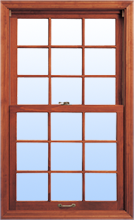
* Suspended Grids / False Grids – the grids are between your panes of glass.


* Fixed / non-removable grids – These are windows with non-removable obstructions making the window look and feel like individual pieces of glass.