
Freshly cleaned windows can make a home or business look sharper in a single afternoon. The harder part is figuring out how to maintain clean windows longer when Western Pennsylvania weather, pollen, road grime, and everyday traffic start working against you almost immediately. The good news is that longer-lasting results usually come down to a few practical habits, not constant cleaning.
For homeowners, that means protecting curb appeal and enjoying more natural light between service visits. For commercial properties, it means keeping storefronts, offices, and entryways presentable without making window cleaning a weekly problem. In both cases, the goal is the same: reduce the buildup that makes glass look dull before it actually becomes dirty enough to demand a full reset.
Most people think the glass itself is the whole issue, but the surrounding surfaces matter just as much. Dirty frames, screens, sills, gutters, and overhangs all contribute to streaking and splash-back. If those areas are neglected, clean glass does not stay clean for very long.
Pittsburgh-area properties also deal with a mix of conditions that speed up buildup. Rain can leave behind mineral residue. Pollen sticks to damp glass. Nearby roads throw up dust and fine debris. Trees drop sap, seeds, and organic material. On commercial buildings, frequent foot traffic around entryways adds fingerprints, smudges, and grime at lower levels.
That is why maintenance is less about chasing every spot and more about controlling the sources of buildup around the window.
The simplest way to extend the life of a professional cleaning is to keep debris from collecting around the glass. Start with the screens. Screens trap dust, pollen, and spider webs, and every time it rains or the wind picks up, some of that material ends up back on the window. A light screen cleaning every few weeks during heavy pollen season can make a noticeable difference.
Window sills and frames deserve the same attention. Even a quick wipe with a soft cloth removes the dirt that can wash down onto the glass during the next storm. If you leave mud, dead bugs, and outdoor residue in the corners, the next rain often turns that into visible streaking.
Landscaping also plays a larger role than many homeowners expect. Shrubs and tree branches that sit too close to the house brush against glass, hold moisture, and drop debris. Keeping plantings trimmed back helps windows stay cleaner and reduces scratching risks over time.
If your sprinklers hit the windows, adjust them. Hard water spots are one of the most stubborn reasons windows lose their clean appearance. In many cases, the glass is not dirty in the usual sense. It is spotted from repeated mineral deposits. Preventing that overspray is easier than trying to remove those marks later.
Inside the house, hands, pet noses, cooking residue, and HVAC dust all shorten the life of clean windows. Lower interior panes and glass doors need more frequent touch-up care than upper-story windows. A dry microfiber cloth used before grime builds up can handle minor smudges without turning a quick touch-up into a streaky mess.
Commercial properties have a different pattern of wear. The problem is not usually one big weather event. It is daily exposure. Front doors, vestibules, ground-level glass, and windows near parking areas collect grime faster because they are constantly in use.
For storefronts and offices, the best approach is to separate high-touch glass from everything else. Entrance doors, sidelights, and low front-facing panes may need frequent spot cleaning, while upper windows can stay on a longer maintenance schedule. This keeps the most visible areas looking polished without over-cleaning the entire building.
It also helps to pay attention to building runoff. Overflowing gutters, clogged downspouts, and dirty overhangs can send water and debris directly onto the glass below. Property managers sometimes focus on the windows but miss the source. If the building is shedding dirt every time it rains, the windows will always look like they were cleaned too long ago.
Parking lots and drive lanes matter too. Traffic throws up fine dust and road film that settles on lower glass, especially near curbs and entrances. In those cases, regular exterior touch-ups may be part of maintaining appearance, even when the rest of the property still looks fine.
A light, timely touch-up helps. Aggressive DIY cleaning usually does not. That is an important distinction.
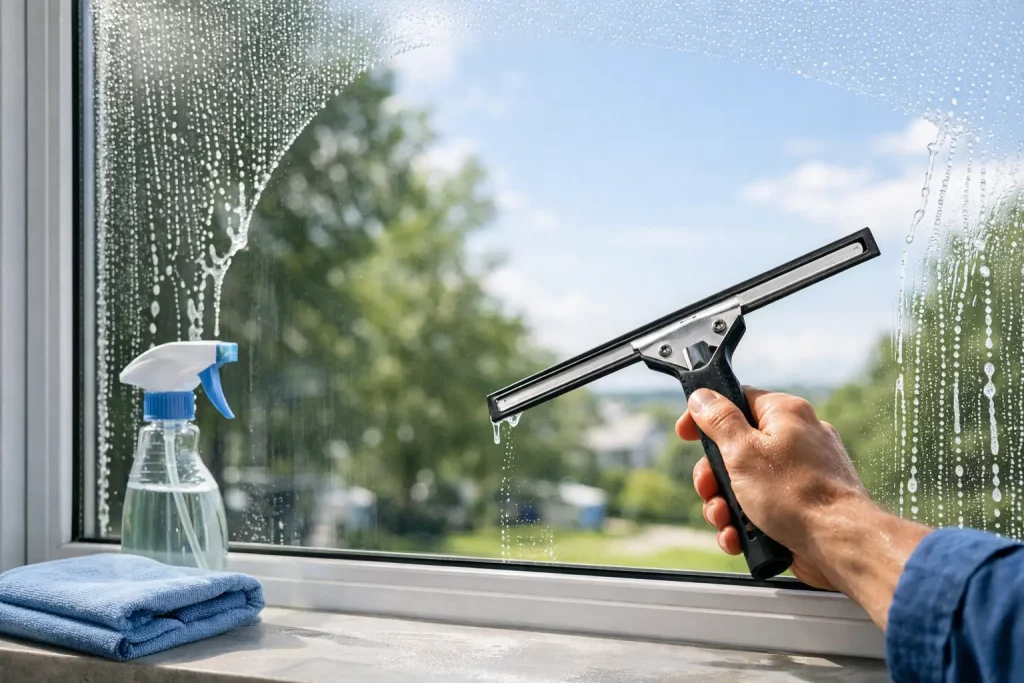
If you are maintaining windows between professional cleanings, use a clean microfiber cloth and a small amount of glass-safe cleaner. Avoid paper towels that leave lint behind. Avoid harsh chemicals that can affect surrounding materials. And avoid cleaning in direct midday sun, because the product dries too fast and often leaves streaks.
One common mistake is wiping dirty glass without removing loose grit first. That can drag debris across the surface and create fine scratches over time. Another is using too much cleaner. More spray does not mean cleaner glass. It usually means more residue.
There is also a point where touch-up cleaning stops being helpful. If glass has collected heavy pollen, hard water spotting, or runoff marks from frames and gutters, a quick wipe often spreads the problem around. In that case, a proper cleaning is the better option.
There is no single schedule that works for every building. A shaded home on a quiet street may hold its clean look longer than a storefront near traffic and constant customer use. A house surrounded by trees may need more frequent service in spring and fall than in winter. A commercial entrance with heavy daily traffic may need attention even when the rest of the windows still look acceptable.
That is why the best schedule is based on exposure, not guesswork. Think about what affects your property most: pollen, traffic dust, sprinkler overspray, nearby construction, trees, or heavy public use. Once you know what is driving the buildup, you can set a realistic cleaning cadence.
For many property owners, recurring service is less about luxury and more about consistency. Instead of waiting until the windows look obviously neglected, routine cleanings keep the glass, frames, and surrounding areas from reaching that point. The result is better appearance with less effort between visits.
A few related services can help windows stay cleaner longer. Gutter cleaning is one of the biggest. When gutters overflow, dirty water can run down siding and across nearby glass. Keeping gutters clear protects more than drainage. It helps reduce streaking and exterior mess on the windows below.
Checking seals and frames also matters. If moisture is getting where it should not, dirt tends to follow. On older properties, worn caulk, deteriorating paint, or neglected frames can make windows look dirty even after the glass has been cleaned. In those cases, the issue is not the cleaning itself. It is the condition of the window area.
Screens should also be reinstalled carefully after cleaning. Bent or poorly fitted screens can trap extra debris and create rubbing points against the frame. It is a small detail, but small details are usually what determine how long clean windows keep looking clean.
Some window maintenance is easy to handle in-house. Some is not worth the risk or the time. Upper-story glass, hard-to-reach exterior windows, and commercial buildings with larger spans of glass are usually better left to trained professionals. Safety matters, and so does the quality of the result.
Professional cleaning also tends to last longer because it addresses more than the center of the pane. Frames, sills, screens, and surrounding buildup all affect the final look. When those areas are cleaned properly, there is less residue left behind to wash back onto the glass.
For local homeowners and property managers, working with an insured, reliable team can also simplify scheduling and reduce one more maintenance task on an already full list. A Clearvue serves Pittsburgh-area residential and commercial customers with that kind of practical, dependable approach.
Clean windows do not stay perfect forever, especially in a region with changing seasons and real weather. But if you control runoff, trim back debris sources, stay ahead of screens and sills, and use the right service schedule for your property, you can keep that just-cleaned look around a lot longer and make every cleaning count.



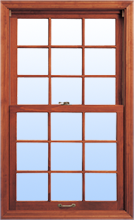
* Suspended Grids / False Grids – the grids are between your panes of glass.
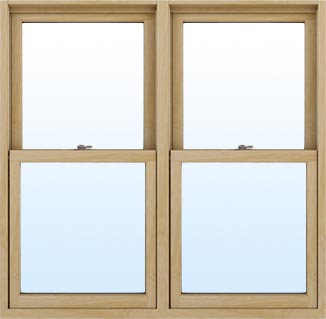
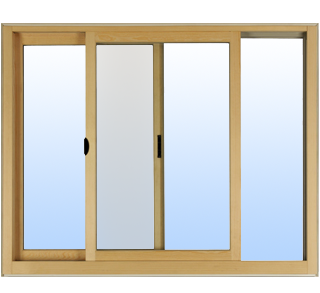


* Fixed / non-removable grids – These are windows with non-removable obstructions making the window look and feel like individual pieces of glass.