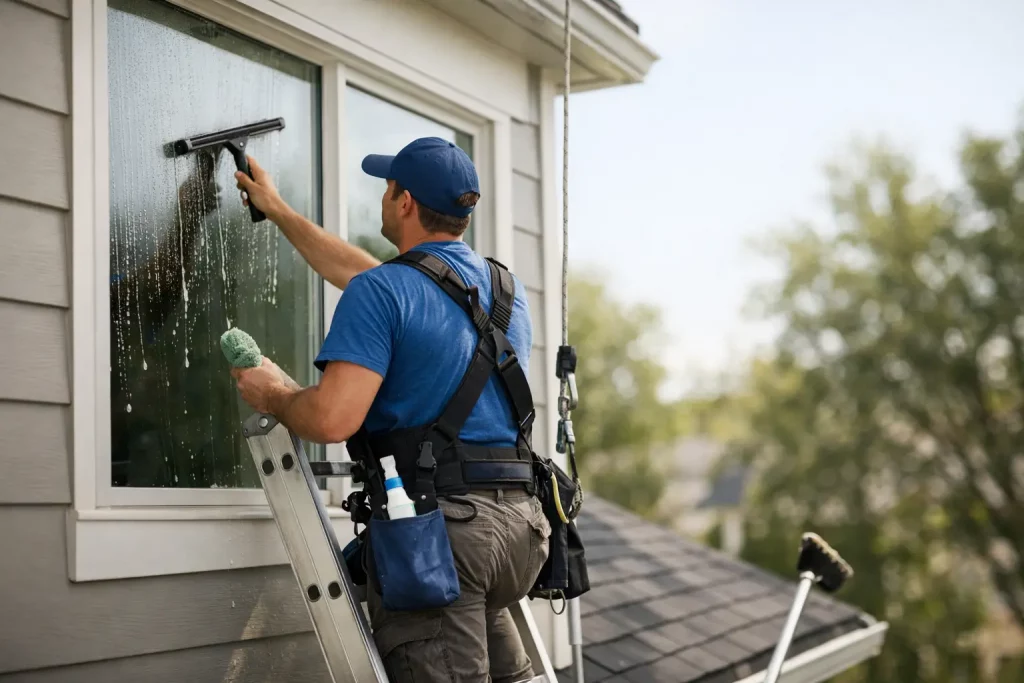
Second-story windows are where a simple cleaning job can turn risky fast. What looks like a little dirt from the ground often means awkward angles, unstable footing, and a long reach once you start the work. If you are wondering how to clean second story windows safely, the first thing to know is that the cleaning itself is only part of the job. The bigger issue is controlling the risk.
For many homeowners in Pittsburgh and across Western Pennsylvania, that risk changes with the property. Older homes may have uneven ground, narrow side yards, landscaping below the windows, or exterior surfaces that do not give you much room to work. Add wet leaves, sloped driveways, or unpredictable weather, and a routine maintenance task starts to deserve a more careful plan.
Before you think about soap, squeegees, or spot-free rinses, decide how you will reach the glass without putting yourself in a bad position. That usually means choosing between ground-based tools and ladder work. In many cases, the safest option is the one that keeps your feet on the ground.
Extension poles can handle a surprising amount of second-story cleaning if the windows are not blocked by deep overhangs, screens that need to be removed from outside, or heavy buildup that needs hand detailing. A good pole with a window mop and squeegee attachment lets you wash and rinse from below while maintaining stable footing. For lightly soiled windows, this approach is often enough.
Ladders change the job entirely. A ladder may be necessary for certain window styles or for detailed cleaning around frames and edges, but it should never be the automatic first choice. If the ground is uneven, soft, or cluttered, the setup may already be too compromised. The same goes for areas near retaining walls, decorative stone, mulch beds, or slick concrete.
The safest day to clean windows is dry, calm, and bright enough to see clearly without fighting glare. Wind matters more than many people expect. Even a light gust can make an extension pole harder to control or shift your balance on a ladder. Rain is an obvious problem, but damp surfaces are just as important. Wet grass, muddy soil, and slippery patios all reduce stability.
Temperature plays a role too. On very hot days, cleaning solution can dry too quickly and leave streaks, which pushes people to lean farther, move faster, or repeat risky steps. In cooler weather, metal ladder rungs and hard surfaces can be slick. If conditions are not right, waiting is the smart move.
This matters even more in Western Pennsylvania, where weather can shift quickly and many homes sit on hillsides or uneven lots. A setup that looks manageable at first can feel very different once the work begins.
If you are handling the job yourself, do not improvise with whatever happens to be in the garage. Basic household tools are often fine for first-floor glass, but second-story work asks more from your equipment.
A stable extension ladder with the correct duty rating is essential if ladder access is truly necessary. The ladder should extend well above the contact point, and it needs level footing. Ladder stabilizers can help create better spacing from the glass and improve side-to-side balance, especially around window frames and gutters. Shoes with solid grip also matter more than people think.
For the cleaning itself, use a proper window mop, squeegee, bucket, and a cleaning solution designed to cut dirt without leaving residue. Paper towels and general household sprays usually make exterior glass harder to finish cleanly. Microfiber cloths are useful for detailing, but on upper windows they are only practical if you can reach the area without stretching.
If you are using an extension pole, make sure it locks securely and does not flex too much at full length. A pole that twists or collapses under pressure creates both safety and cleaning problems.
This is one of the most common causes of accidents. Whether you are on a ladder or using a pole, the temptation is the same: just a little farther, one more corner, one quick pass. That is where people lose control.
Your belt buckle should stay centered between the ladder rails. If you need to lean beyond that point, climb down and reposition. It takes longer, but it is far safer than shifting your weight sideways. With extension poles, overreaching can pull your footing out from under you, especially on wet or uneven surfaces.
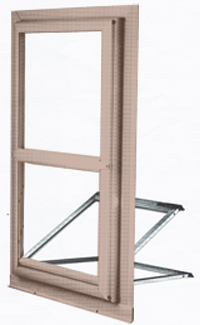
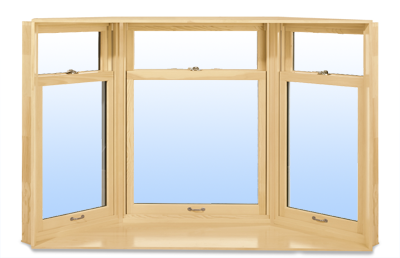
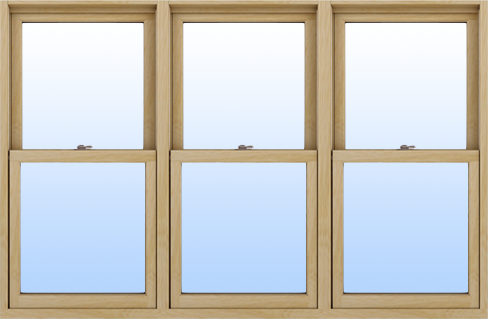
Some second-story windows are simple to clean from outside. Others are not. Storm windows, divided panes, removable screens, and windows set above roofs or dormers all add complexity. If screens must come off from the exterior, or if the window design forces you into a steep or awkward angle, the risk level increases fast.
That is often the point where a homeowner should stop and reconsider whether the job is worth doing without professional equipment and training.
Start by clearing the work area below the windows. Move hoses, toys, patio furniture, and anything else that could affect ladder placement or create a trip hazard. Let someone in the house know you are working outside, especially if you will be on a ladder.
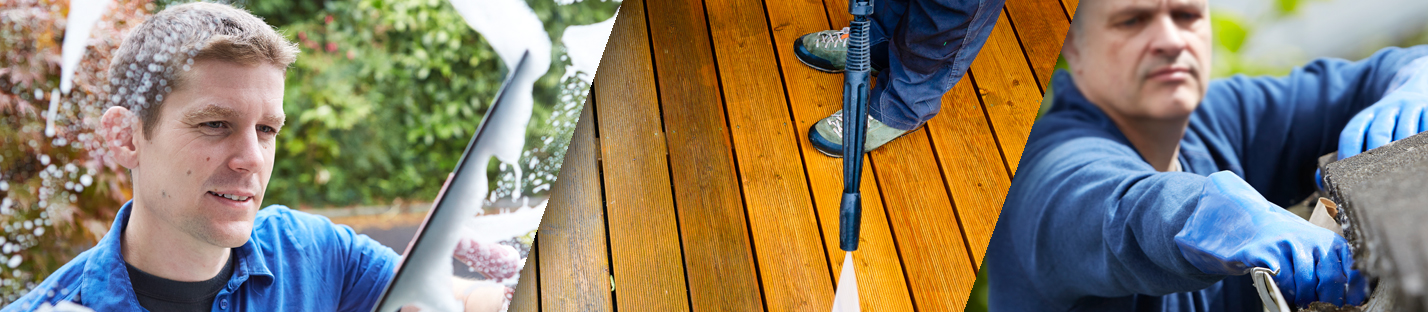
Clean one section at a time. Wash the glass, squeegee from top to bottom with controlled strokes, and wipe the blade between passes if you can do so without losing position. If you are working from the ground with a pole, go slower than you think you need to. Speed usually leads to sloppy technique, which leads to repeating the same motions and spending more time in a risky setup.
Keep both hands available when climbing, and never carry a bucket while going up a ladder. Use a tool belt, ladder hook, or hoist line if needed. Small habits like that are what separate a controlled job from a dangerous one.
There is a difference between a job that is possible and a job that is sensible. If your second-story windows sit above a porch roof, staircase, conservatory, steep grade, or landscaping that prevents safe ladder placement, the safer decision is to call a professional. The same applies if the windows have not been cleaned in a long time and need more than a quick rinse.
For many property owners, the deciding factor is not confidence. It is liability. A fall from a ladder can turn a maintenance chore into an emergency, and damaged screens, scratched glass, or bent gutters only add to the cost. Hiring an insured professional often makes more sense than trying to save a little time or money on a high-risk task.
That is especially true for commercial properties and multi-unit buildings, where appearance matters but so does consistency. A professional crew can clean hard-to-reach glass safely and keep the property looking sharp without disrupting tenants, staff, or customers.
People usually reach out after one of three things happens. They try to do the job and realize the ladder angle is wrong. They get the windows wet but cannot finish without streaks or awkward reaching. Or they simply decide the risk is not worth it.
That decision is not about giving up. It is about knowing where routine home care ends and specialized exterior work begins. A professional window cleaning company brings the right access equipment, trained technicians, and insurance coverage that protect both the workers and the property.
For local homeowners who want the job handled safely and properly, A Clearvue provides professional window cleaning backed by licensed, insured service and background-checked crews. That kind of accountability matters when work is happening above landscaping, walkways, roofs, and finished exterior surfaces.
If your windows can be cleaned well from the ground with the right tools, that is usually the best route. If they require awkward ladder placement, high reaches, or detailed hand work in difficult spots, it is worth stepping back before you start. Clean windows should improve how your home or property looks, not create a safety problem in the process.
A clear view is valuable, but so is finishing the day without injury, property damage, or a close call. If the setup feels questionable, trust that instinct and choose the safer option.



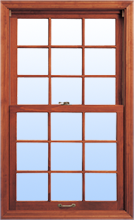
* Suspended Grids / False Grids – the grids are between your panes of glass.
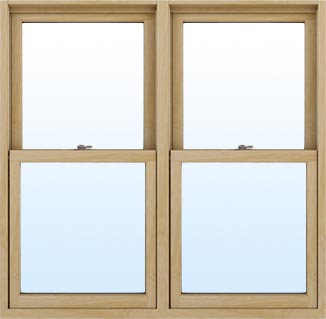
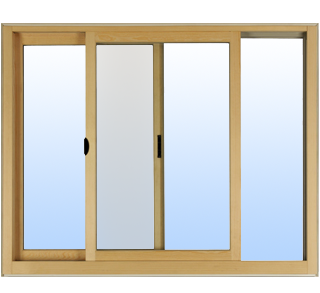

* Fixed / non-removable grids – These are windows with non-removable obstructions making the window look and feel like individual pieces of glass.