

A window can look cloudy for very different reasons, and the right fix depends on where the haze is coming from. If you are asking what causes cloudy windows, start with a simple question: is the cloudiness on the glass surface, inside the glass unit, or caused by moisture in the room? A good answer can prevent wasted effort, unnecessary replacement costs, and the frustration of cleaning a window that still does not look clear.
For homeowners and property managers in Western Pennsylvania, changing weather, mineral-heavy runoff, pollen, and everyday indoor buildup can all affect how glass looks. Some cloudy windows need a careful professional cleaning. Others have a failed seal and need glass repair or replacement instead.
Cloudiness is not one single problem. The same milky, dull appearance may come from residue on the outside, a film on the inside, mineral deposits that have bonded to the glass, or condensation trapped between double-pane windowpanes.
The quickest way to narrow it down is to look at the window from several angles in daylight. If the haze changes when you wipe the glass, it is probably on the surface. If it remains in the exact same place no matter how thoroughly you clean both sides, it may be between the panes. That distinction matters because surface cleaning cannot repair a failed insulated glass seal.
Hard-water deposits are one of the most common reasons windows look permanently cloudy. When water from sprinklers, gutters, roof runoff, or repeated rain exposure dries on glass, it leaves minerals behind. Over time, those minerals create white spots, streaks, or a dull film that ordinary household cleaner may not remove.
This is especially common on windows below overflowing gutters, near landscaping, or where an outdoor faucet, sprinkler, or pressure washer sends water toward the glass. In some cases, the deposits sit on the surface and can be removed with the right tools and cleaning method. In more severe cases, minerals can etch the glass itself. Etching is physical damage, not dirt, so the glass may remain hazy even after professional cleaning.
A window may look cloudy immediately after it has been cleaned because soap, spray cleaner, or contaminated water dried on the surface. This often shows up as a faint film in sunlight or as streaks that seem to return once the glass dries.
Too much cleaner is a common culprit. So is using a dirty towel, paper towels that shed lint, or water with dissolved minerals. Certain home remedies can also create problems. Abrasive pads and harsh chemicals may scratch glass, damage surrounding frames, or strip protective coatings. A professional window cleaning process is designed to remove soil without leaving residue behind.
The inside of windows collects more than fingerprints. Cooking oils, candles, fireplace smoke, tobacco smoke, pet dander, and dust carried through the home by the HVAC system can settle on glass. The buildup is often subtle at first, but it can make a room feel darker and make windows look gray or greasy when sunlight hits them.
Kitchens, living rooms with fireplaces, and rooms with frequent candle use are common trouble spots. Commercial properties can see the same issue near entry doors, break rooms, restaurants, or areas with steady foot traffic. Unlike a failed seal, this type of cloudiness should wipe away when the interior glass is cleaned correctly.
If your windows are cloudy between the panes, a failed seal is the likely cause. Modern insulated windows use two or more panes of glass separated by a spacer. The edges are sealed to keep moisture out and to preserve the insulating space between the panes.
When that seal fails, humid air can enter. Condensation may form inside the unit, leaving a foggy, streaked, or sometimes chalky appearance that cannot be reached from either side of the window. You may notice it more on cold mornings, but the haze can remain year-round once moisture and residue are trapped inside.
Window cleaning can make the outer surfaces look better, but it cannot remove moisture from between sealed panes. Depending on the window and its condition, the practical solution may be replacing the insulated glass unit or replacing the full window. A qualified window repair or replacement professional can help determine which option makes financial sense.
Condensation on the room-facing side of a window is different from moisture between panes. It occurs when warm, humid indoor air touches cold glass. You may see water droplets, fog, or temporary haze during Pittsburgh winters, after a hot shower, or while cooking.
This does not automatically mean the window has failed. It often points to high indoor humidity, limited ventilation, or a major temperature difference between indoors and outdoors. Wiping the glass dry is fine in the moment, but persistent condensation should be addressed. Repeated moisture can damage wood trim, paint, and nearby drywall.
Use bathroom and kitchen exhaust fans, make sure air can circulate around the windows, and consider checking indoor humidity levels during colder months. If only one window has condensation between the panes while others do not, that is more consistent with a seal problem than a whole-house humidity issue.
Exterior glass is exposed to more than rain. Pollen, road dust, exhaust residue, insects, spider webs, and debris from nearby construction can all create a dull appearance. Older window screens and aluminum components may also leave a gray residue that transfers to the glass during wet weather.
In commercial settings, storefront windows often collect fingerprints and airborne grime quickly, particularly near roads, parking lots, and entrances. Routine cleaning keeps these deposits from building into a stubborn film and helps visitors see the property as well maintained before they even walk through the door.
Before assuming a cloudy window needs replacement, test the easiest explanation first. Clean a small area using a clean microfiber cloth and a glass-safe cleaner. If the haziness improves, the issue is probably surface buildup. If it does not change, inspect the glass closely for deposits, scratches, or fog trapped between panes.
A few signs point toward a seal failure rather than a cleaning issue: the cloudiness appears inside a double-pane unit, you cannot touch it from either side, and it may include moisture marks or a whitish haze around the interior edges. In that case, continued scrubbing will not solve the problem.
Hard-water staining falls somewhere in the middle. Light deposits may respond well to professional cleaning, while long-standing etched damage may not fully disappear. An honest assessment should set clear expectations before work begins.
When windows look dull, it is tempting to reach for the strongest product in the cabinet. That can be a costly mistake. Avoid using razor blades, steel wool, abrasive powders, or aggressive scrubbing pads unless you know the glass and any applied coatings can safely handle them. Modern glass may have specialty coatings, tinted films, or tempered surfaces that require extra care.
Do not ignore the source of recurring water spots, either. A leaking gutter, misdirected downspout, or sprinkler head can undo a cleaning job in a few weeks. Correcting the water path helps protect the glass and keeps the property looking cleaner longer.
For upper-story windows, large commercial glass, and windows near steep roofs or landscaping, safety matters as much as appearance. A fully insured professional team has the equipment and methods to clean difficult areas without putting you, your employees, or the property at unnecessary risk.
Cloudy windows can make an otherwise well-kept home or business look neglected, but they do not always mean replacement is necessary. Surface film, pollen, fingerprints, and mineral residue often respond to a detailed cleaning. Fogged glass between panes is a separate repair issue that deserves a closer look.
If you are unsure which problem you have, A Clearvue can help identify whether your windows need professional cleaning or whether the haze is likely inside a failed glass unit. A clear, practical assessment is the best place to start, followed by a free estimate for the work that will actually improve the view.



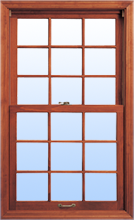
* Suspended Grids / False Grids – the grids are between your panes of glass.
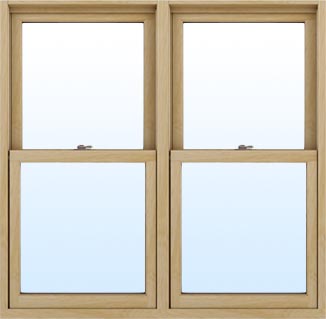
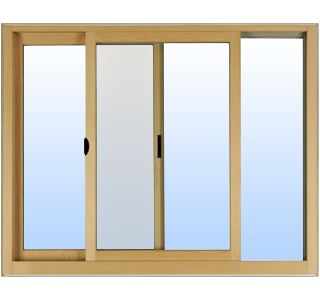
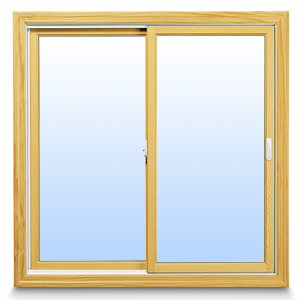

* Fixed / non-removable grids – These are windows with non-removable obstructions making the window look and feel like individual pieces of glass.