

A customer may decide how they feel about your business before they reach the door. A streaked front window, overflowing trash can, faded sign, or cluttered entry can quietly suggest that details are being missed inside, too. These first impression tips for storefronts help Pittsburgh-area business owners and property managers create an exterior that feels clean, safe, and ready for customers.
For most storefronts, the goal is not an elaborate redesign. It is consistent care. A well-maintained entrance makes it easier for people to find you, feel comfortable walking in, and trust the level of service they are about to receive.
Stand across the street or at the edge of the parking lot and look at your storefront the way a new visitor would. Can they immediately tell where the entrance is? Is your business name easy to read? Do the windows allow people to see inside, or do dirt, fingerprints, posters, and glare make the space feel closed off?
This simple walk-through often reveals issues that are easy to overlook during a busy workday. Staff members use the same entrance repeatedly and become accustomed to small problems. A customer seeing the property for the first time does not have that familiarity.
Look at the full approach, not just the glass. Check the sidewalk, doorway, exterior lighting, landscaping or planters, signage, and the area around waste containers. A clean window will have less impact if the door handle is grimy or the path to the entrance looks neglected.
Windows are one of the largest visual surfaces on a storefront. They reflect the condition of the business, frame displays, and let natural light reach the interior. When they are clean, a storefront tends to look brighter and more established. When they are hazy or streaked, even a well-run business can appear tired.
Exterior glass collects more than rain. In Western Pennsylvania, road salt, pollen, dust, hard-water spots, construction debris, and changing weather can build up quickly. Interior glass also shows fingerprints, handprints near doors, product display residue, and marks from pets or children in customer-facing businesses.
A regular cleaning schedule is usually more effective than waiting until the windows look visibly dirty. Frequency depends on the location. A storefront on a high-traffic street, near a parking lot, or close to roadwork may need attention more often than an office with protected windows. Restaurants, salons, retail shops, medical offices, and leasing spaces also benefit from frequent touch-ups because customers are close to the glass.
Do not overlook glass doors, sidelights, transoms, and interior partitions. These smaller surfaces are often where customers notice fingerprints first. Professional window cleaning can help maintain a uniform result, especially for upper panes, large glass fronts, and windows that are difficult to access safely.
A welcoming entrance should be obvious and functional. Customers should not have to guess which door is open, whether they need to pull or push, or where to park before coming inside.
Keep door glass clean and limit decals to information customers truly need, such as business hours, accessibility information, payment notices, or required safety messaging. Too many signs can make an entry feel confusing and block the view into the business. If you use window graphics for promotions, keep them current and remove outdated offers promptly.
The door itself deserves routine attention. Wipe down handles, frames, thresholds, and kick plates. Replace damaged weatherstripping, repair a loose handle, and make sure the door closes properly. These are small maintenance items, but they affect how secure and cared for the property feels.
Lighting matters here as well. A storefront that looks inviting at noon can look unwelcoming after sunset if the entrance is dim. Replace burned-out bulbs quickly and make sure address numbers, steps, ramps, and doorways are visible. The right lighting supports both appearance and safety.
Your storefront should communicate what you do without making people work to understand it. A clear, well-maintained primary sign is more valuable than a collection of competing messages.
Check signs from a normal driving and walking distance. Are letters missing, faded, crooked, or partially hidden by tree growth? Is the sign readable in the evening? If your business is inside a multi-tenant property, make sure the suite number and directional signs are accurate.
Window displays should support the customer experience rather than cover every available inch of glass. Retail businesses may need more visual merchandising than professional offices, but the same principle applies: leave enough open space for the storefront to feel bright and approachable. A clean, intentional display says more than a crowded window filled with old notices.
Seasonal decorations can add personality, particularly around holidays, but they should be removed on time and kept in good condition. A few thoughtful items feel welcoming. Worn decorations left up long after an event can make a business look distracted.
Customers rarely compliment a spotless sidewalk or a neatly trimmed planter. They do notice when those things are not maintained. The outside of a storefront creates a quick, emotional response, and that response is built from many small details.
Build a simple routine around the property. Before opening, check for litter, cigarette debris, standing water, leaves, and anything blocking the entry. After bad weather, inspect the walkways and threshold again. In Pittsburgh winters, salt residue and slush can make entrances look dingy and create a slip concern. During spring and fall, pollen and leaves can quickly collect around doors and gutters.
Pay attention to exterior maintenance that protects the building as well as its appearance. Overflowing gutters can lead to staining, water near the entry, and a neglected look. Loose trim, peeling paint, damaged caulking, and cracked pavement are worth addressing before they become bigger repairs.
If your property has planters, keep them simple and healthy. Fresh mulch, trimmed greenery, or seasonal plantings can soften a commercial entrance. But empty, broken, or overgrown planters often create a worse impression than no planters at all. Choose landscaping only if someone can maintain it consistently.
A storefront maintenance plan should change with the weather. The same appearance standards apply year-round, but the challenges are different.
In winter, keep snow, ice, slush, and salt from accumulating near the entrance. Check exterior lighting earlier in the day, since customers may arrive after dark. In spring, clean pollen and grime from glass, signs, and entry surfaces. Summer brings dust, insects, landscaping growth, and more visible water spots after rain. In fall, clear leaves from walkways and gutters before they create drainage problems.
This is where a scheduled approach helps. Assigning quick daily checks to staff and arranging periodic professional service prevents exterior care from becoming an emergency task. It also makes costs more predictable. A business does not have to replace every worn feature at once, but delaying basic cleaning and minor repairs can make a property look worse than it is.
There is no single ideal storefront. A boutique, dental office, restaurant, auto service center, and professional office all have different customer expectations. The right approach depends on your business, your lease requirements, your foot traffic, and the condition of the building.
A retail store may want open windows that showcase products and interior activity. A medical or financial office may need more privacy, but can still use clean door glass, clear signs, and a tidy entrance to project professionalism. A service business with a parking-lot-facing entrance may prioritize visible address numbers, clean pavement, and lighting over a detailed street-facing display.
The standard is not perfection. It is alignment. Customers should see an exterior that matches the level of care and professionalism you want them to expect once they step inside.
The most effective storefront improvements are usually the ones that happen consistently. Create responsibility for daily tidying, weekly inspections, and recurring professional maintenance. Keep a short list of items to review: glass, doors, signs, lighting, sidewalks, trash areas, and drainage.
For property managers with several tenants, a shared exterior standard can protect the entire building’s appearance. For individual business owners, it can be helpful to schedule service before seasonal rushes, major events, or reopening periods rather than reacting after customers have already noticed a problem.
A Clearvue helps commercial properties throughout the Pittsburgh area keep customer-facing windows clean with dependable, insured service and straightforward scheduling. For storefronts with high visibility, regular professional cleaning is a practical way to protect the polished appearance you work hard to maintain.
Your storefront does not need to be flashy to make people feel confident. It needs to look cared for. When the glass is clear, the entrance is clean, and the details are handled, customers can focus on the reason they came to see you.



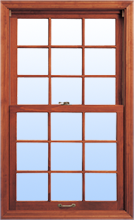
* Suspended Grids / False Grids – the grids are between your panes of glass.
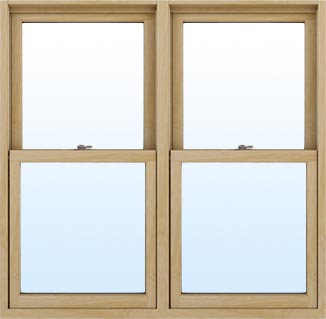
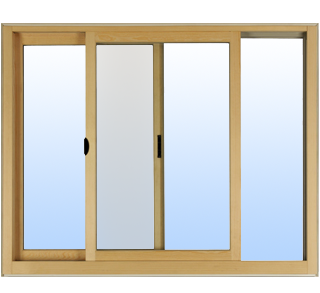
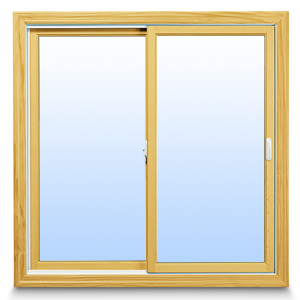

* Fixed / non-removable grids – These are windows with non-removable obstructions making the window look and feel like individual pieces of glass.