

A second-story window can look simple from the driveway, but cleaning it safely is another matter. Knowing how to choose ladder free cleaning helps homeowners and property managers compare providers based on more than price. The right approach should protect your building, reduce risk around landscaping and entryways, and still leave glass looking clear from every angle.
Ladder-free cleaning usually relies on professional water-fed pole systems that reach upper windows from the ground. These systems can be an excellent fit for many homes, offices, storefronts, and multi-level properties across Pittsburgh and Western Pennsylvania. Still, the equipment alone does not guarantee a good result. The provider’s training, process, insurance, and attention to the property matter just as much.
For exterior windows, ladder-free service generally means a technician cleans from the ground using an extendable pole, a soft brush, and purified water. The water is filtered to remove minerals and contaminants that can leave spots behind. The brush loosens dirt, pollen, road film, and other buildup, while the purified rinse is left to dry clear.
This method is different from a quick hose rinse. A professional system is designed to deliver purified water consistently and to reach elevated panes without placing a ladder against siding, gutters, brick, or window frames.
It is especially useful for second- and third-story exterior glass, hard-to-reach windows above landscaping, and commercial buildings where keeping walkways clear matters. It may also reduce the need for technicians to work near rooflines or uneven ground.
That said, ladder-free does not mean every window can be handled exactly the same way. Deep-set windows, older storm windows, delicate screens, unusually heavy buildup, and interior glass may require hand cleaning or a different method. A dependable provider will explain that clearly rather than promising one solution for every surface.
Start by looking at access, not just window height. Walk around the home or commercial property and note where the technician will need to work. Sloped lawns, retaining walls, mulch beds, parked vehicles, exterior furniture, overhead wires, and narrow side yards can all affect the best cleaning method.
A qualified company should ask about these conditions before arriving or assess them during a free estimate. They should also ask whether windows have screens, French panes, storm panels, tinted glass, solar film, or damaged seals. Those details help prevent surprises on service day.
For a typical residential property, ladder-free cleaning is often a strong choice when upper-level windows are accessible from the ground and the glass is in good condition. For a commercial property, it can be practical because it limits disruption around entrances and customer areas. The best decision depends on the building, the glass, and the level of cleaning required.
“Exterior window cleaning” can mean different things from one company to another. Before approving service, confirm whether the estimate includes upper and lower exterior panes, frames, sills, screens, and tracks. These items do not always need cleaning at every visit, but the scope should be clear.
Also ask how the company handles windows that cannot be safely reached with a pole. A professional answer might be that certain panes need traditional hand cleaning, specialized access equipment, or a separate service plan. That is not a drawback. It is a sign the provider is considering the condition of the property instead of forcing a method where it does not belong.
Water-fed pole systems are effective when used correctly. The pole should have a soft brush suitable for glass, and the water should be properly purified. If hard water is used for the final rinse, mineral deposits can dry into visible spots, particularly in direct sunlight.
Technique matters, too. Technicians should brush the glass thoroughly, pay attention to upper edges where dirt collects, and rinse completely. On heavily soiled windows, especially after construction work, long periods between cleanings, or seasonal pollen buildup, one pass may not be enough.
Ask how the company checks its results. A good crew does not simply move from window to window as fast as possible. They review the work from different angles and address missed areas before leaving.
One of the main reasons property owners consider ladder-free window cleaning is safety. Keeping workers on the ground can reduce ladder-related risk, but it does not remove the need for professional standards.
Choose a company that is licensed and fully insured. Insurance protects the service provider, but it also provides meaningful peace of mind for the customer if there is accidental damage or an on-site injury. For homeowners, this is particularly important when work takes place around glass, landscaping, gutters, vehicles, and outdoor living areas. For commercial decision-makers, it is a basic requirement for responsible vendor selection.
You should feel comfortable asking whether employees are trained, background checked, and covered by the company’s insurance. A reputable local service business will answer directly. Vague responses, pressure to book immediately, or unwillingness to discuss coverage are reasons to keep looking.
Ladder-free methods are gentle when the right brush and water are used, but no cleaning method can correct existing window problems. Failed seals, etched glass, cracked panes, loose glazing, damaged screens, oxidized frames, and peeling paint should be identified before service begins.
Older homes around Pittsburgh often have a mix of window styles and materials. Some may have original storm windows, while others have newer insulated glass units. A provider should be able to explain what they see without overstating the issue. Cleaning can remove surface dirt and improve appearance, but it cannot remove moisture trapped between panes or repair damage inside the glass.
For commercial properties, check for signs, decals, window film, or coatings that need special care. The cleaning method should be appropriate for the surface, not just convenient for the crew.
A low price may sound appealing until it leaves out screens, inaccessible panes, insurance, or a return visit for missed work. When comparing estimates, make sure each company is pricing the same scope of service.
Ask whether the estimate is based on the number of windows, the size of the building, access conditions, or the amount of buildup. There is no single pricing model that fits every property, but a clear explanation is a good sign. You should know what is included, what may cost extra, and whether there are conditions that could change the price.
The following questions can make estimates easier to compare:
Clear answers are worth more than a vague quote. They help you choose a company that respects both your property and your time.
Good ladder-free cleaning is not only about getting water to an upper window. It is about arriving prepared, protecting the work area, communicating clearly, and leaving the property in good order.
For a home, that may mean working around pets, gates, garden beds, outdoor furniture, and your schedule. For a business, it may mean selecting a service time that minimizes disruption to customers, employees, tenants, or deliveries. A professional crew should be willing to discuss those details ahead of time.
A Clearvue approaches window cleaning with that practical, property-specific mindset. The goal is not to make the job look complicated. It is to provide a safe, dependable service plan that fits the building and produces a clean presentation you can feel confident about.
When you request an estimate, share photos if possible and point out any windows that concern you. A short conversation before service can help ensure the right method is used, the price is clear, and your windows get the careful attention they deserve.



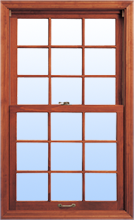
* Suspended Grids / False Grids – the grids are between your panes of glass.
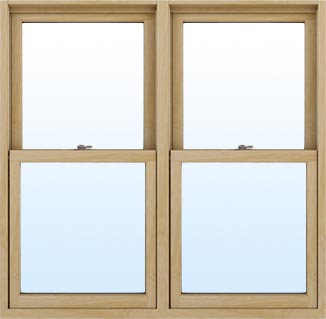
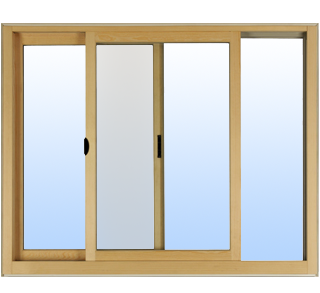


* Fixed / non-removable grids – These are windows with non-removable obstructions making the window look and feel like individual pieces of glass.