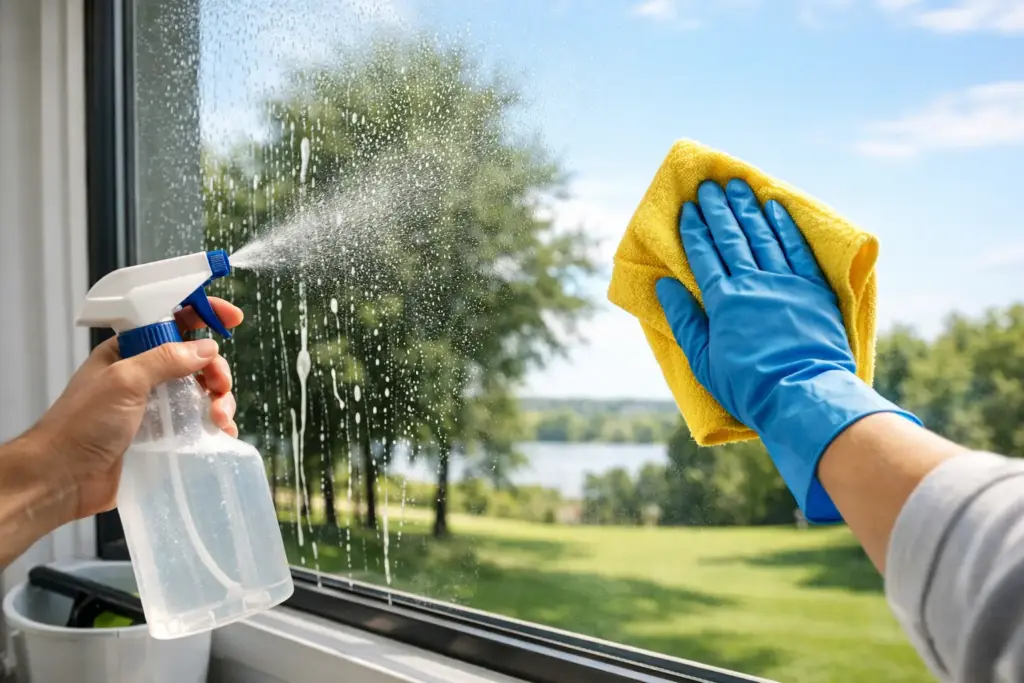
A picture window is meant to frame the view, not show every water spot, pollen streak, and fingerprint in the afternoon sun. Learning how to wash picture windows properly can make a dramatic difference in how a room feels and how your home looks from the street. The key is using enough cleaning solution to lift grime, the right tools to remove it, and a safe plan for any glass that cannot be reached comfortably from the ground.
Picture windows are often large, fixed panes of glass with few or no moving parts. Their size gives a home an open, bright look, but it also makes streaks more visible. A small missed corner on a standard window may go unnoticed. On a wide living room picture window, it can stand out immediately.
They can also be harder to access. Many are installed above landscaping, behind furniture, over stair landings, or on a second story. That changes the job from a simple wipe-down to a project where safety matters as much as appearance. If you cannot keep both feet on stable ground, it is usually time to consider professional service rather than stretching for one more pass with a ladder.
Household paper towels and a bottle of glass cleaner can work for a quick touch-up, but they are rarely the best choice for a full picture window. Paper towels can leave lint behind, and spray cleaner often dries before you can remove it across a large pane.
For better results, use a small bucket of clean water, a mild dish soap, a microfiber scrubber or soft cleaning cloth, a quality squeegee with a clean rubber blade, and dry microfiber towels for the edges. A soft-bristle brush can help loosen dirt around exterior frames and sills before washing the glass.
Avoid abrasive pads, razor blades, and harsh powdered cleaners unless a window manufacturer specifically approves them. These can scratch glass, damage tinted or coated windows, or harm the finish on vinyl, wood, and aluminum frames. Be especially careful with decorative window film and older glass, which may need a gentler approach.
Bright sunshine may seem like the ideal time to clean windows, but direct sun often works against you. It heats the glass and causes cleaning solution to dry too quickly, leaving marks before the squeegee can do its job.
A cloudy, mild day is best. Early morning or late afternoon can also work if the window is out of direct sunlight. In Western Pennsylvania, it is worth checking the forecast for wind as well. Wind can blow fresh dust, leaves, or pollen onto damp glass and undo a careful cleaning job.
Do not wash exterior windows when temperatures are near freezing. Water can freeze on the glass, create slippery conditions underfoot, and make the work unnecessarily difficult.
Start by moving furniture, curtains, or décor away from the inside of the window. Place a towel along the sill or floor beneath the glass to catch drips, especially near hardwood flooring, upholstered furniture, or painted trim.
On exterior glass, lightly rinse the window with clean water if you have a safe way to do so. Then use a soft brush or dry microfiber cloth to clear cobwebs, loose soil, and debris from the frame, tracks, and sill. Skipping this step can turn dirt into muddy streaks when the glass gets wet.
For interior glass, dust the frame and sill first. This prevents loose dust from transferring to your cleaning cloth or solution.
Fill a bucket with cool or lukewarm water and add just a small amount of mild dish soap. More soap does not mean cleaner glass. Too much can leave a film that causes smearing and takes extra effort to remove.
For most routine cleaning, a few drops of soap in a bucket of water is enough. If the window has sticky residue, bird droppings, or heavy buildup, let the wet scrubber sit on the affected area briefly before gently working it loose. Never force dried debris off with a sharp tool.
Dip the scrubber or cloth into the solution, wring it lightly so it is wet but not dripping excessively, and work across the full window. Use overlapping strokes so every part of the glass is covered.
Pay extra attention to the perimeter. Grime often gathers where glass meets the frame, and that dirt can transfer back onto the window when you make your final squeegee pass.
For a large picture window, begin along the top edge with the squeegee held at a slight angle. Pull it across the glass in a smooth, controlled stroke. Wipe the rubber blade with a clean towel after each pass.
You can use a straight top-to-bottom pattern or a gentle side-to-side fanning motion. The best method is the one you can perform without stopping, losing control of the blade, or leaving dry gaps between passes. Overlap each stroke slightly to prevent thin lines of water from remaining on the glass.
Keep a dry microfiber towel in your other hand to catch water at the edges. Finish by wiping the frame, corners, and sill. Do not rub the center of the glass repeatedly after squeegeeing, since that often creates the streaks you were trying to avoid.
Before putting tools away, step back and inspect the glass from indoors and outdoors if possible. Streaks are easier to spot when you change your viewing angle. A missed mark may only need a quick wipe with a clean, dry microfiber cloth.
If the window still looks hazy, the issue may be soap residue, dirty water, or a worn squeegee blade. Replace the water and clean the blade before trying again. Reusing dirty water on a large pane usually creates more work.
The most common problem is using too little water. Glass needs to be wet enough for dirt to lift away rather than drag across the surface. The second is using a dirty squeegee blade or microfiber cloth. Even a small amount of grit can leave lines behind.
Another mistake is cleaning only the visible center of the pane. The edges and lower corners collect the most buildup, particularly on exterior windows exposed to rain runoff, lawn debris, and airborne pollutants. Cleaning those areas thoroughly before squeegeeing helps the whole window stay cleaner longer.
Finally, do not assume every spot is removable with normal washing. Hard-water minerals, oxidation from old screens, construction debris, and failed insulated-glass seals can create staining or fogging that is not surface dirt. Professional evaluation can help determine whether the issue is cleanable or whether the glass itself has been affected.
Large windows can tempt homeowners to use a ladder, lean out of an upstairs opening, or stand on furniture to reach an awkward corner. Those shortcuts are not worth the risk. A ladder should only be used on level, stable ground with proper support and a clear work area. It is not a good solution for a window above a steep slope, landscaping bed, porch roof, or stairwell.
For exterior picture windows on upper stories, commercial storefronts, or homes with difficult access, trained window cleaners have the equipment and experience to do the work more safely. A Clearvue provides insured, professional window cleaning for homeowners and businesses throughout the Pittsburgh area, with service planned around the property rather than a one-size-fits-all approach.
For many homes, cleaning interior and exterior picture windows twice a year is a practical baseline. Spring cleaning removes winter grime, salt residue, and pollen. A fall cleaning clears away summer dust and prepares the glass for the lower-angle light of colder months.
Some properties need more frequent service. Homes near busy roads, construction activity, trees, or open fields may collect dirt faster. Storefronts and office buildings often benefit from a more regular schedule because clean glass contributes directly to the impression visitors and customers receive.
A well-cleaned picture window changes more than the view. It lets in fuller natural light, shows off the care you put into your property, and makes the room beyond the glass feel ready to enjoy. When the window is too large, too high, or too difficult to reach safely, getting experienced help is a simple way to keep that view clear without taking unnecessary risks.



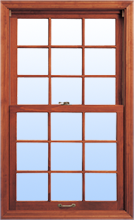
* Suspended Grids / False Grids – the grids are between your panes of glass.
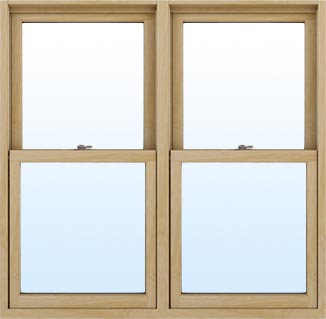
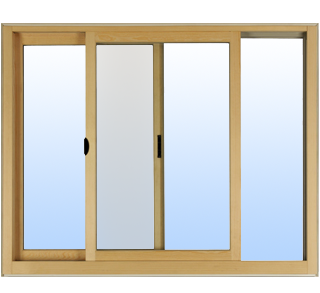

* Fixed / non-removable grids – These are windows with non-removable obstructions making the window look and feel like individual pieces of glass.