

A leaking gutter rarely shows up at a convenient time. Neither does a streaked storefront before a tenant tour or a neglected entryway before a customer visit. A solid business guide to maintenance budgeting starts with that reality – small issues turn into visible, expensive problems when they are handled too late.
For property managers, business owners, and homeowners overseeing larger properties, maintenance budgeting is not just an accounting exercise. It is part of protecting appearance, safety, and long-term value. In Western Pennsylvania, where weather, debris, and seasonal wear can add up fast, a practical budget helps you stay ahead of preventable problems instead of reacting to them.
Many maintenance costs look optional right up until they are urgent. Window cleaning, gutter clearing, and light exterior upkeep are often pushed back because they do not always stop operations in the moment. But when those services are delayed too long, the effects become harder to ignore.
Dirty windows affect first impressions. Overflowing gutters can lead to water issues around foundations, walkways, and entrances. Neglected exterior surfaces can make a property look unmanaged, even if the inside is run well. For commercial properties, that can influence customers, tenants, and visitors. For homeowners, it can affect curb appeal, pride of ownership, and future resale value.
A good budget gives you control. It helps you decide what should happen monthly, quarterly, seasonally, or annually, and it reduces the chance that maintenance decisions get made under pressure.
The right maintenance budget depends on the kind of property you manage. A small office building has different needs than a retail storefront, mixed-use property, or large home with multiple stories and heavy tree coverage. Budgeting works better when it reflects actual site conditions rather than a generic annual number.
Start by looking at how the property is used. High-traffic buildings usually need more frequent attention because appearance matters every day. Customer-facing windows, main entrances, and common areas tend to justify a more regular schedule. A less visible building may be able to space services out more, but even then, postponing too much can create bigger cleanup costs later.
Age and condition also matter. Older properties often need a little more attention because wear builds over time. Trees near the structure, roofline design, drainage patterns, and local weather exposure all influence how often maintenance should be planned and how much reserve should be set aside.
One of the most common budgeting mistakes is treating all maintenance as if it belongs in the same bucket. Routine services and unexpected repairs should be handled differently.
Routine maintenance includes the work you can reasonably predict. Window cleaning, gutter cleaning, seasonal exterior touch-ups, and visual upkeep usually fall in this category. These costs are easier to estimate because they happen on a schedule. Once you know the property’s needs, you can build them into monthly or quarterly planning.
Unexpected repairs are different. Storm damage, drainage failures, broken hardware, or issues discovered during service visits are less predictable. That is why it makes sense to keep a contingency amount in the budget instead of assuming every year will go exactly as planned.
If everything is lumped together, routine maintenance can get crowded out by emergency spending. When that happens repeatedly, the property starts to look and function worse, and emergency calls become more frequent. Separating the two helps you protect both appearance and cash flow.
A realistic budget usually begins with service frequency, not just price. Ask how often each task should be completed to keep the property in dependable shape. From there, you can estimate annual cost with more confidence.
For example, windows on a busy commercial property may need more regular cleaning than windows on a private office with limited public visibility. Gutters under heavy tree cover may need more than one cleaning per year, while other properties may need less frequent service. The point is not to choose the cheapest schedule. It is to choose the schedule that avoids decline.
This is also where local conditions matter. In the Pittsburgh region, seasonal leaf buildup, rain, winter residue, and changing temperatures can all affect exterior maintenance needs. A budget that ignores those realities often looks fine on paper and fails in practice.
If you manage multiple properties, avoid using one flat formula across the board. Similar buildings can still have different maintenance needs based on exposure, tenant use, foot traffic, and visibility.
A maintenance budget should reflect what matters most about the property. For some owners, appearance is the top priority because customer impression directly affects business. For others, preventing water issues and extending the life of building components comes first. In most cases, both matter.
The strongest budgets usually cover three levels of need. First are the essential protective services that help prevent damage. Second are the appearance-driven services that support presentation and professionalism. Third are the lower-priority items that can be adjusted if needed without creating immediate risk.
That does not mean appearance is optional. Clean windows, maintained gutters, and tidy exteriors often support both image and protection at the same time. It simply means some tasks have more urgent consequences if ignored. Knowing the difference helps when you need to make careful spending decisions.
Seasonal planning makes maintenance budgets far easier to manage. Instead of treating every service as a surprise, assign likely work to the time of year when it is most useful.
Spring is often a practical time to address winter buildup, refresh windows, and inspect exterior problem areas. Summer can be useful for maintaining presentation during peak visibility months. Fall is especially important for gutter cleaning and preparing properties for colder weather. Winter may involve less routine exterior work in some cases, but it is still a good time to review vendor performance, update forecasts, and plan for the next cycle.
This approach spreads costs more evenly and helps you avoid the rush that comes when everyone waits until a problem is obvious. It also makes scheduling easier, which matters when you want dependable service without disruption.
Budgeting well does not mean choosing the cheapest provider every time. In property services, low pricing can sometimes mean inconsistent scheduling, limited communication, lack of insurance, or work that has to be redone. That can create hidden costs quickly.
A dependable service partner brings value that does not always show up in the first quote. Clear scheduling, professional crews, proper insurance, and reliable follow-through reduce risk. For property managers and business owners, that reliability often matters as much as the service itself.
This is especially true when the work affects safety or customer-facing presentation. A poorly managed job can create inconvenience, tenant complaints, or visible results that do not reflect well on the property. Paying for professional service is often part of budgeting responsibly, not overspending.
A maintenance budget should not be written once and ignored. Costs change. Property conditions change. Service frequency may need to change too.
Review your budget at least once or twice a year. Look at what services were actually needed, what was deferred, and where avoidable issues came up. If a property needed emergency gutter work because routine cleaning was delayed, that is useful budgeting information. If windows had to be cleaned more often because traffic increased or a tenant changed, that matters too.
This kind of review helps you move from reactive spending to planned spending. Over time, that usually leads to fewer surprises and a better-kept property.
For local property owners and managers, working with a professional service company that understands regional conditions can make this process easier. A Clearvue, for example, works with homeowners and commercial clients who want straightforward scheduling, dependable service, and a clear view of what their property needs without guesswork.
A maintenance budget works best when it reflects the real life of the property – how it is used, what the weather does to it, and what standard you want to maintain. When those pieces line up, budgeting stops feeling like a chore and starts doing what it should: keeping your property clean, protected, and ready for the people who rely on it.



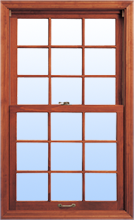
* Suspended Grids / False Grids – the grids are between your panes of glass.

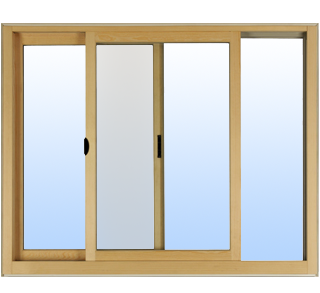
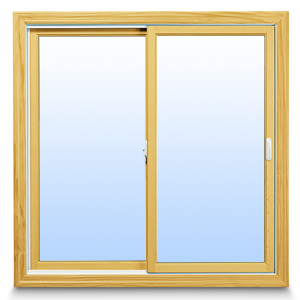

* Fixed / non-removable grids – These are windows with non-removable obstructions making the window look and feel like individual pieces of glass.