

A smudged glass entry door, dusty interior partitions, or salt-streaked exterior windows can make an otherwise well-managed office feel neglected. For Pittsburgh-area property managers and business owners, an office glass maintenance plan turns window cleaning from a last-minute reaction into a dependable part of facility care.
Glass needs change with the building, the season, and the amount of traffic coming through the door. A downtown office with public-facing storefront glass has different needs than a professional suite, medical office, warehouse office, or multi-tenant building. The right plan accounts for those differences while keeping the schedule clear, the results consistent, and the work safe.
Office glass is part of the customer and employee experience. Visitors notice front doors, lobby windows, conference room glass, and interior partitions before they notice many of the details your team works hard to maintain. Clean glass brings in more natural light, improves visibility, and supports a polished appearance without requiring a major building upgrade.
Regular service also helps prevent buildup from becoming more difficult and costly to remove. Rain spotting, road dust, pollen, mineral deposits, fingerprints, adhesive residue, and winter salt can all affect the appearance of glass. When these issues sit too long, they may require extra restoration work rather than routine cleaning.
There is also a practical maintenance benefit. Window cleaning gives a trained service team an opportunity to notice loose seals, damaged screens, cracked panes, failed caulking, or drainage concerns around window frames. Cleaning is not a substitute for glass repair, but early visibility can help a property manager address small issues before they become larger ones.
A useful plan begins with a walkthrough. Count the exterior windows and note which areas are most visible to customers, tenants, and employees. Include main entrances, sidelights, transoms, lobby glass, conference room walls, glass partitions, interior doors, mirrors, and any glass railings if applicable.
It also helps to identify access conditions. Some glass can be cleaned easily from the ground or inside the office. Other areas may require ladders, specialized equipment, coordination with building management, or service outside normal business hours. A clear inventory allows a cleaning provider to give an accurate estimate and build a schedule that fits the property.
For multi-tenant buildings, separate common-area glass from tenant-controlled areas. That avoids confusion about what is included in the recurring service and makes it easier to adjust the plan when occupancy changes.
Not every pane needs the same attention. Entry doors, reception-area glass, restroom mirrors, break room doors, and conference room partitions often collect fingerprints quickly. These high-touch areas may need spot cleaning between full window-cleaning visits.
A simple responsibility plan is helpful. Your staff may handle quick touch-ups with approved materials, while the professional cleaning team handles scheduled detailed cleaning. Avoid using abrasive pads, harsh powders, or unknown chemicals on glass, tinted film, and decorative finishes. The wrong product can scratch surfaces or damage protective coatings.
The best schedule depends on location, weather exposure, traffic, and the image your business needs to maintain. There is no single frequency that works for every office, but recurring service is usually more efficient than waiting until the glass looks noticeably dirty.
Public-facing offices and storefronts often benefit from exterior cleaning every two to four weeks, especially if they are near busy roads, construction activity, parking lots, or areas with heavy pedestrian traffic. Interior entry glass and partitions may need attention on a similar schedule because fingerprints show quickly under office lighting.
Many professional offices can maintain a clean appearance with exterior service every one to three months and interior service quarterly or as needed. Offices in less-trafficked settings may choose seasonal cleaning, typically in spring and fall, with additional service before major events, tenant tours, or client meetings.
Western Pennsylvania weather should be part of the decision. Spring pollen, summer storms, fall leaves, and winter road salt all leave their mark. A building may need more frequent exterior cleaning during certain parts of the year, even if the annual schedule is otherwise moderate.
Recurring service provides a baseline, but a good maintenance plan leaves room for exceptions. Schedule additional cleaning before an open house, board meeting, recruiting event, holiday gathering, or important client visit. After construction, landscaping, or nearby road work, glass may also need prompt attention.
For buildings with gutters directly above entryways or window lines, keeping gutters clear can help reduce overflow, staining, and debris buildup. Coordinating exterior maintenance tasks can make scheduling easier and help protect the appearance of the property.
A recurring plan works best when the scope is specific. “Window cleaning” can mean very different things depending on the property. Confirm whether the service includes interior and exterior glass, frames, tracks, screens, mirrors, glass doors, partitions, and removal of normal buildup.
Be clear about what may require separate approval. Hard-water staining, paint overspray, construction debris, old tape, stickers, and damaged window film can take additional time and may need specialized treatment. Identifying these conditions early prevents surprises and helps protect the glass from improper removal methods.
For commercial properties, it is also worth confirming how the crew will work around employees and visitors. A professional plan should address arrival windows, sign-in procedures, access to secured areas, parking arrangements, and whether cleaning will occur during business hours or after the office closes.
Office glass maintenance should never create unnecessary risk for tenants, staff, or visitors. Commercial window cleaning may involve wet floors near entrances, equipment in walkways, ladder work, and access to restricted areas. Clear communication and trained personnel matter.
Choose a provider that is licensed and fully insured, with employees who have been background checked. Ask how the team protects floors, manages wet areas, secures equipment, and works around occupied offices. For taller or harder-to-reach glass, confirm that the provider has the right equipment and follows appropriate safety practices rather than trying to force access with unsuitable methods.
This is especially important for property managers who are responsible for vendor compliance. Keeping service expectations documented protects the building, supports tenant confidence, and makes recurring maintenance easier to manage.
A maintenance plan is easier to budget when the work is scheduled in advance. Instead of approving a rush cleaning whenever the glass becomes a problem, you can establish a predictable service frequency and adjust it as the property’s needs change.
The lowest price is not always the best value. A quote should reflect the number of panes, access requirements, interior versus exterior work, condition of the glass, and the level of detail expected. Reliable scheduling, careful workmanship, insurance coverage, and clear communication all matter when a crew is working at an occupied commercial property.
A Clearvue can help Pittsburgh-area offices build a practical schedule based on their building layout, traffic level, and service priorities. A free estimate gives decision-makers a clear starting point without committing to a one-size-fits-all package.
Office needs rarely stay fixed. A new tenant, renovated lobby, added glass partitions, increased customer traffic, or a change in landscaping can all affect the ideal cleaning schedule. Review the plan at least once a year and after significant changes to the property.
Ask whether the entry glass still looks clean between visits, whether certain areas need more frequent attention, and whether any glass surfaces are developing stains or damage. Small adjustments can keep the office looking cared for without paying for service that does not match actual conditions.
Clean glass is a quiet but visible sign that a workplace is organized, welcoming, and professionally maintained. With the right schedule and a trusted local service team, it becomes one less detail your staff has to chase.




* Suspended Grids / False Grids – the grids are between your panes of glass.

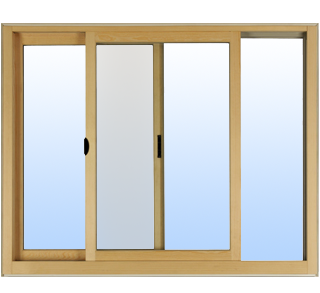


* Fixed / non-removable grids – These are windows with non-removable obstructions making the window look and feel like individual pieces of glass.